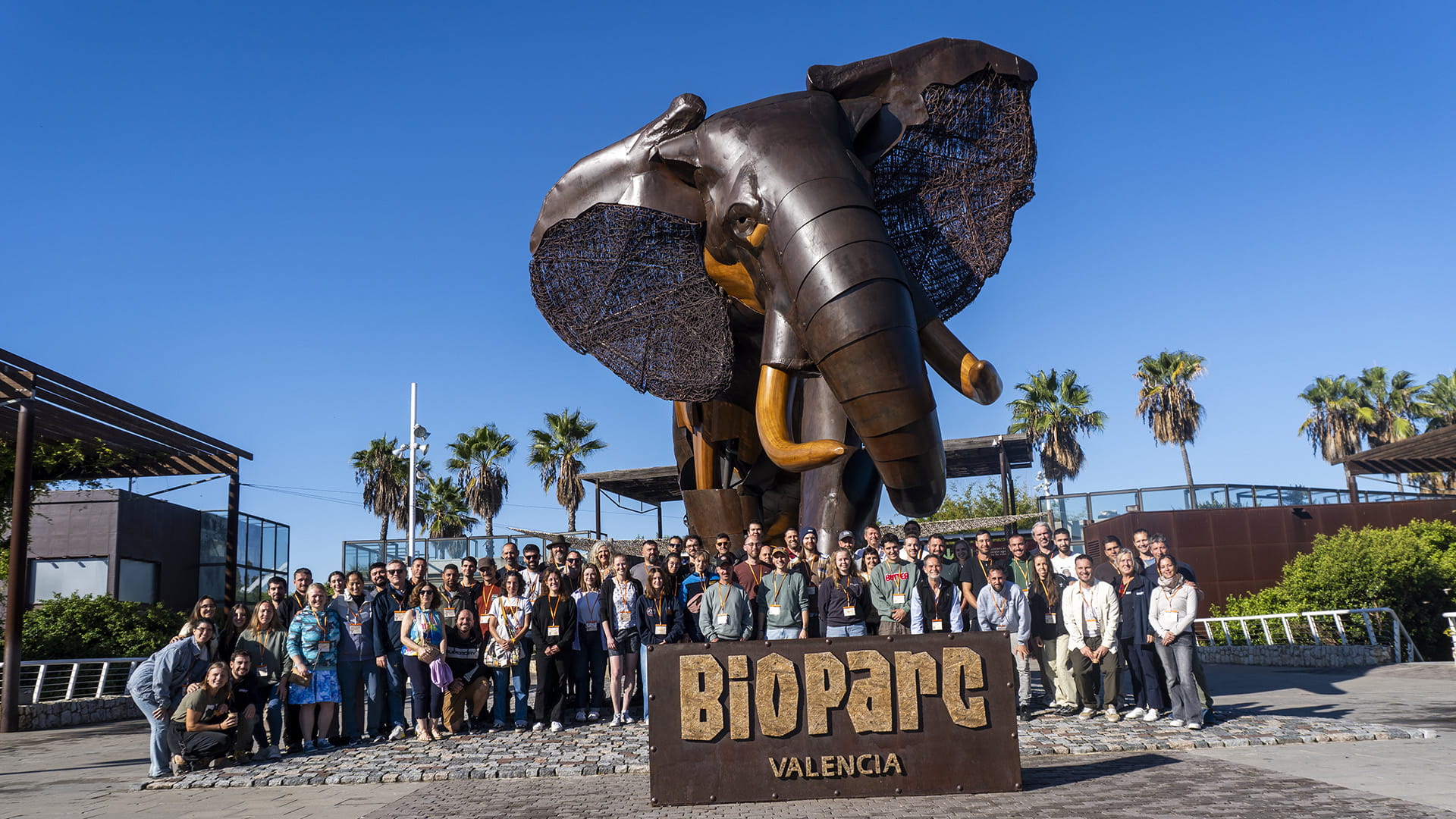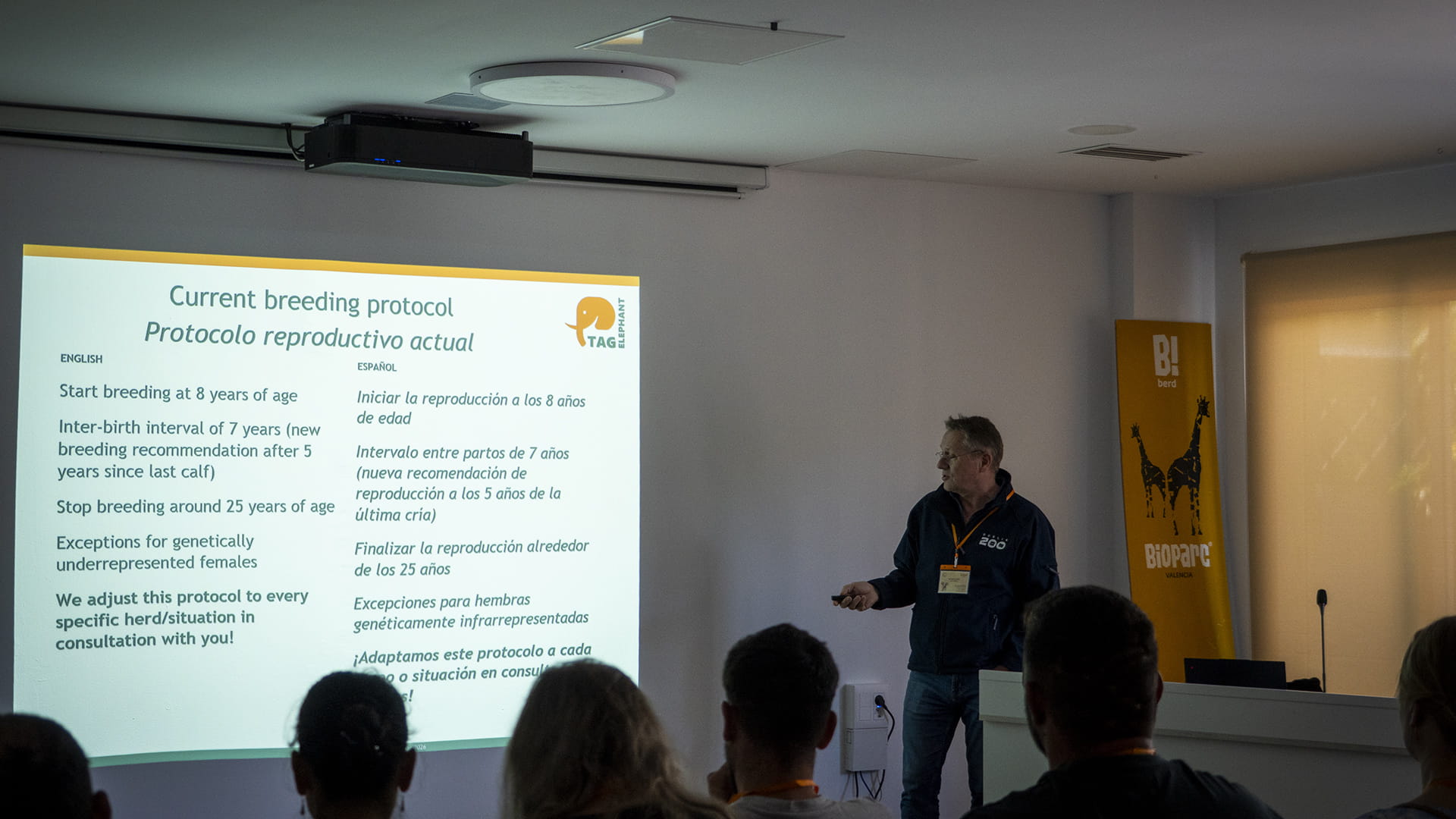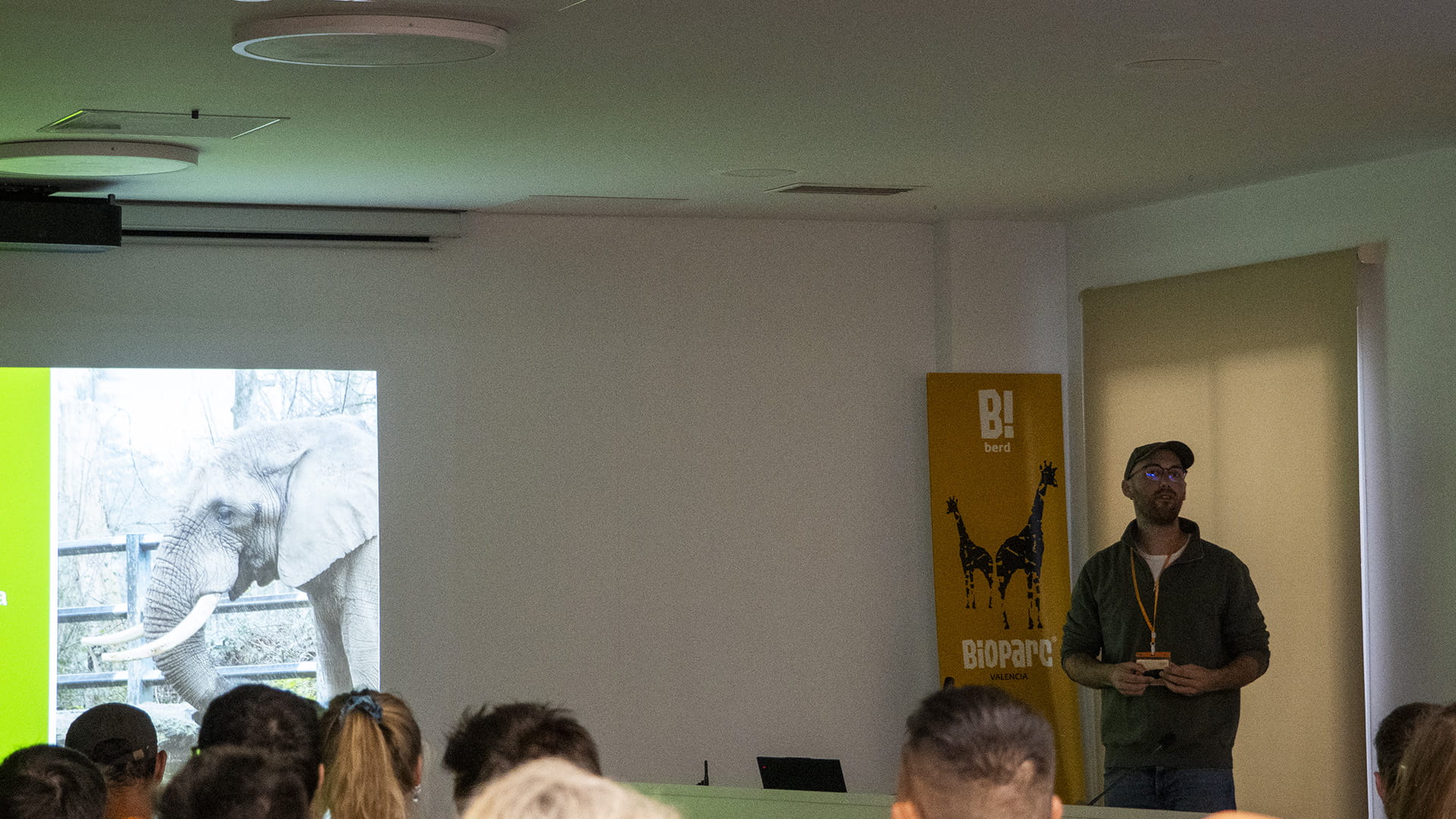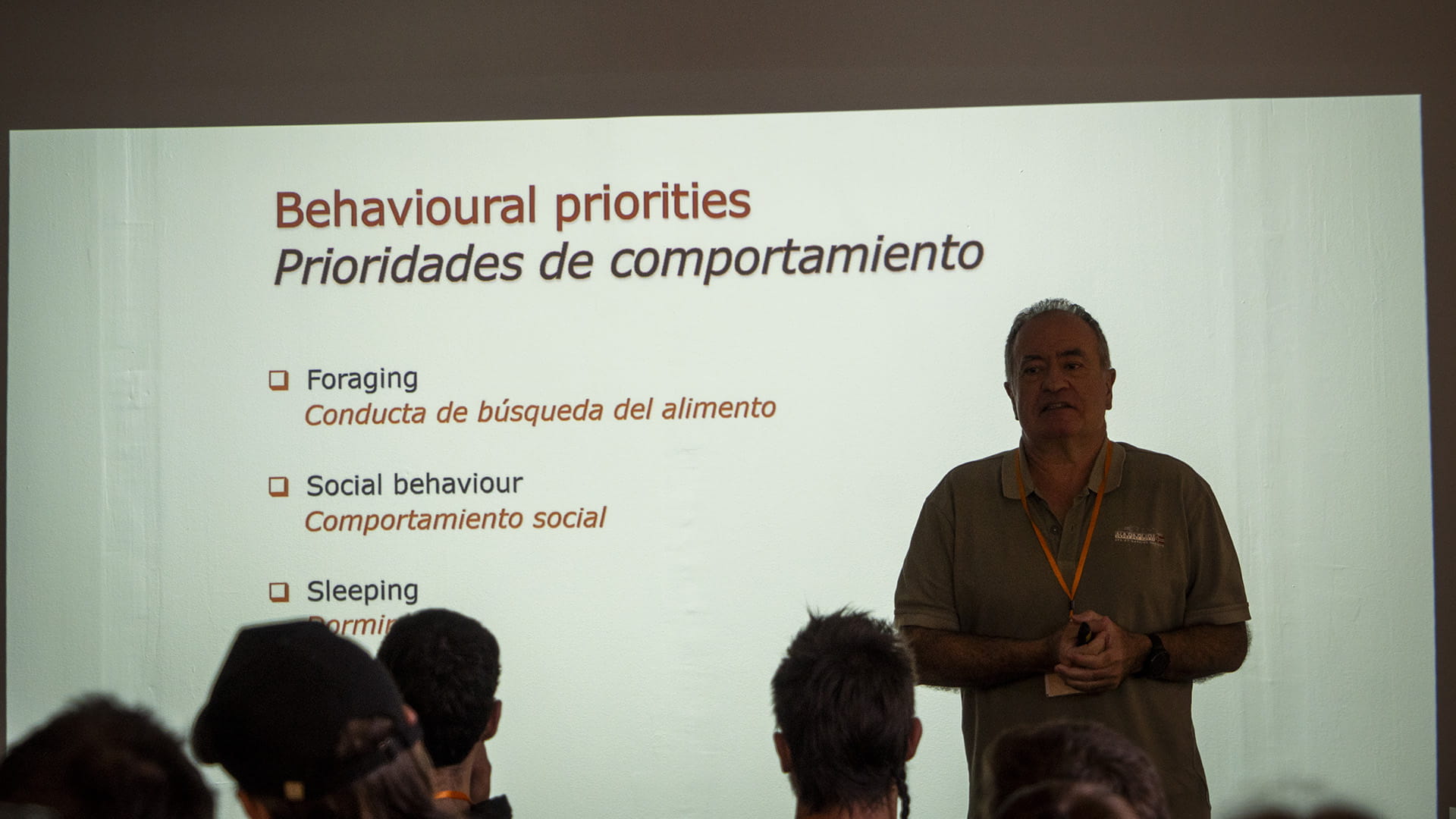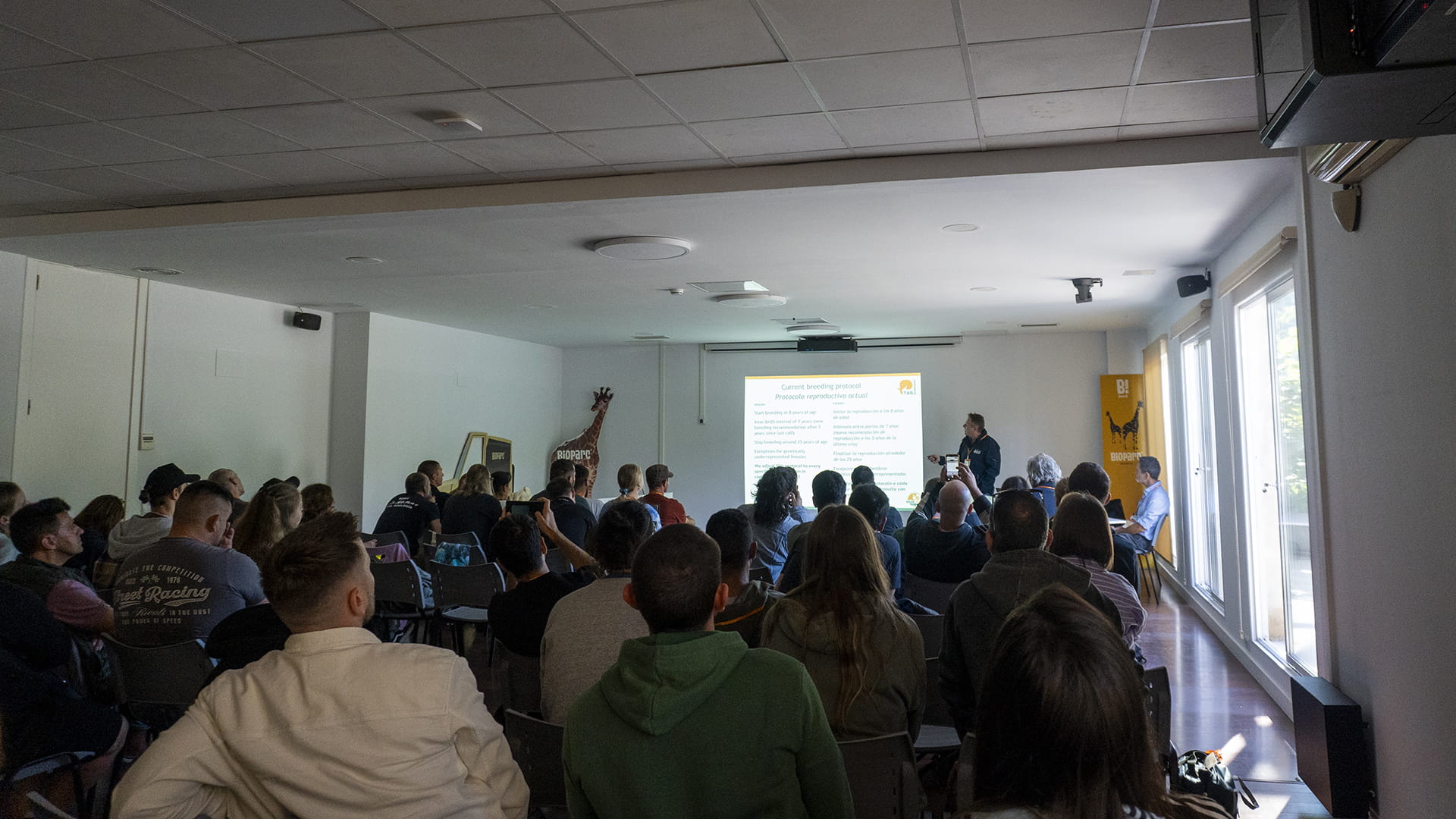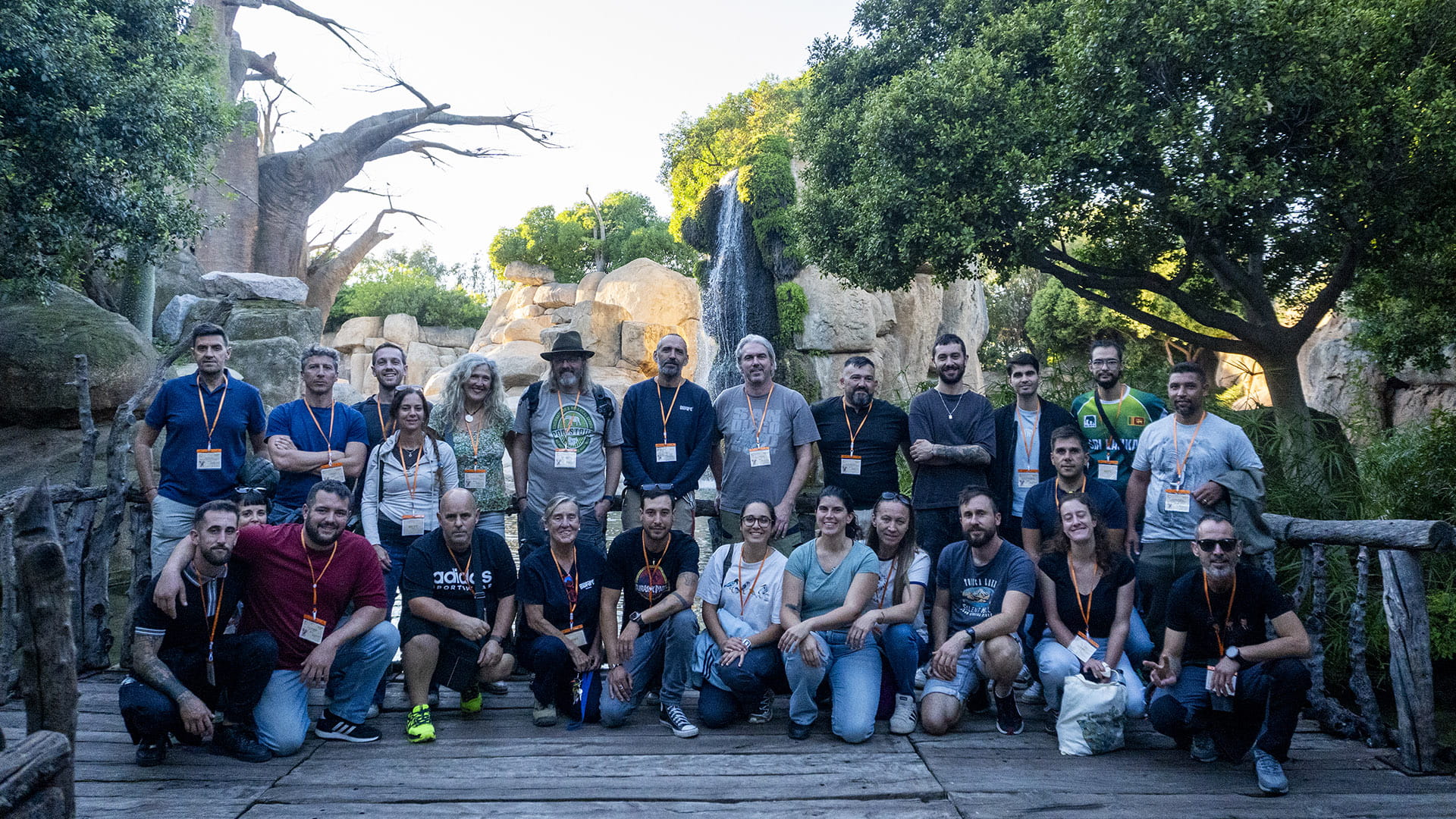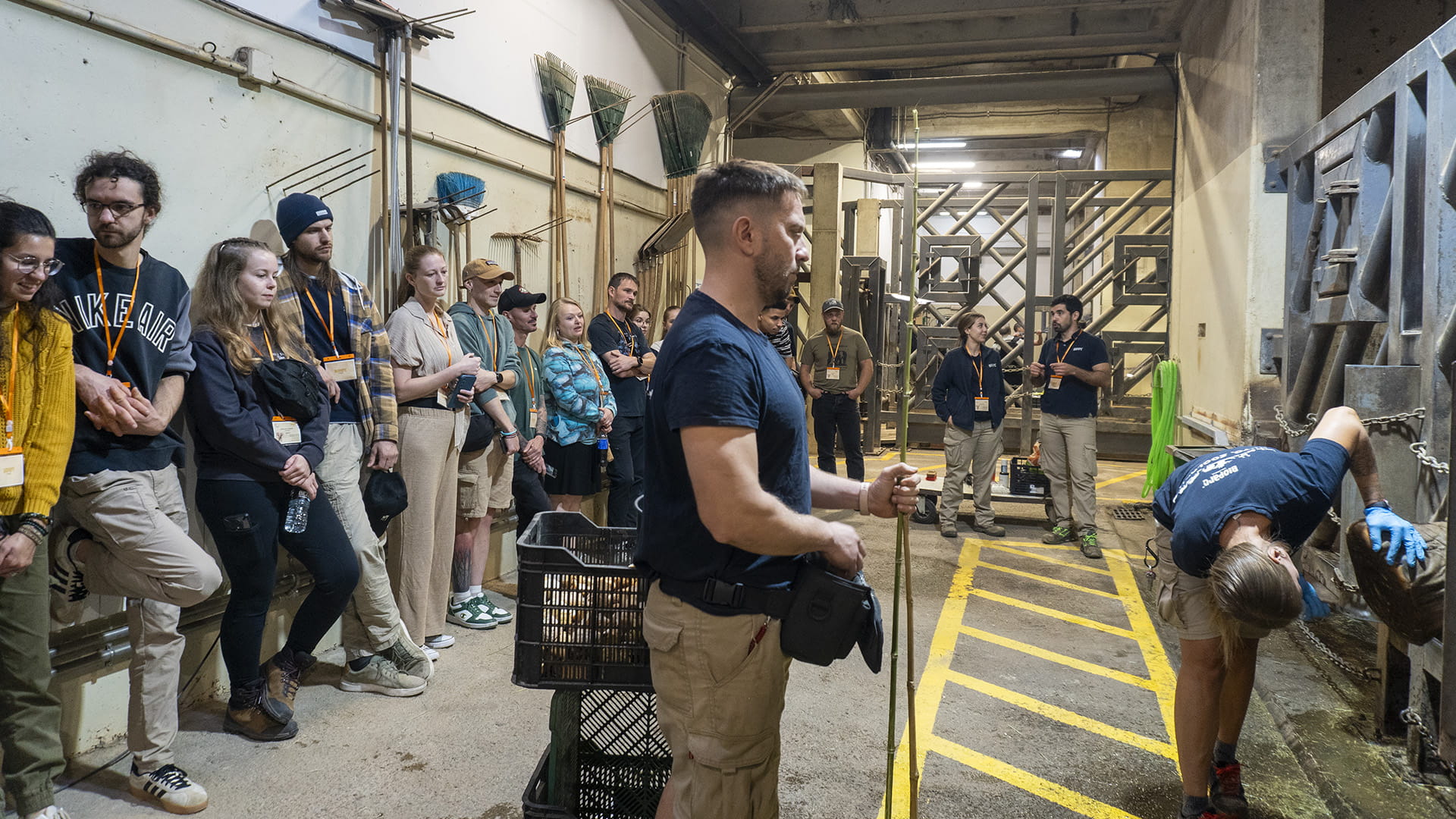

The nature park has brought together the largest group of specialists in elephant protection and care at the European Association of Zoos and Aquaria (EAZA) Workshop. Under the scientific guidance of the biology department, a group of more than 70 people from 11 countries successfully shared essential research and knowledge on topics as relevant as nutrition, health, reproduction, and physical and emotional well-being to ensure the survival of this endangered species, according to the International Union for Conservation of Nature's Red List.
The elephant is one of the most emblematic species of the African continent and its position is extremely delicate, with a 95% population loss in a centuryBIOPARC Valencia offers the opportunity to learn about their behavior, interactions, and characteristics to better understand the complexity of biodiversity and mobilize the public towards its protection. Together with the BIOPARC Foundation, follow the One Plan Approach strategy promoted by the most important entities such as the International Union for Conservation of Nature (IUCN).
Participation in scientific programs with successes such as the birth of the first elephants, Makena and MalikIt offers hope for preventing its extinction. In addition to this conservation work, it is important to stay constantly updated and promote the exchange of knowledge. This aspiration has materialized in hosting, for the first time in Valencia, the European workshop on elephant welfare and care organized by the European Association of Zoos and Aquaria (EAZA).
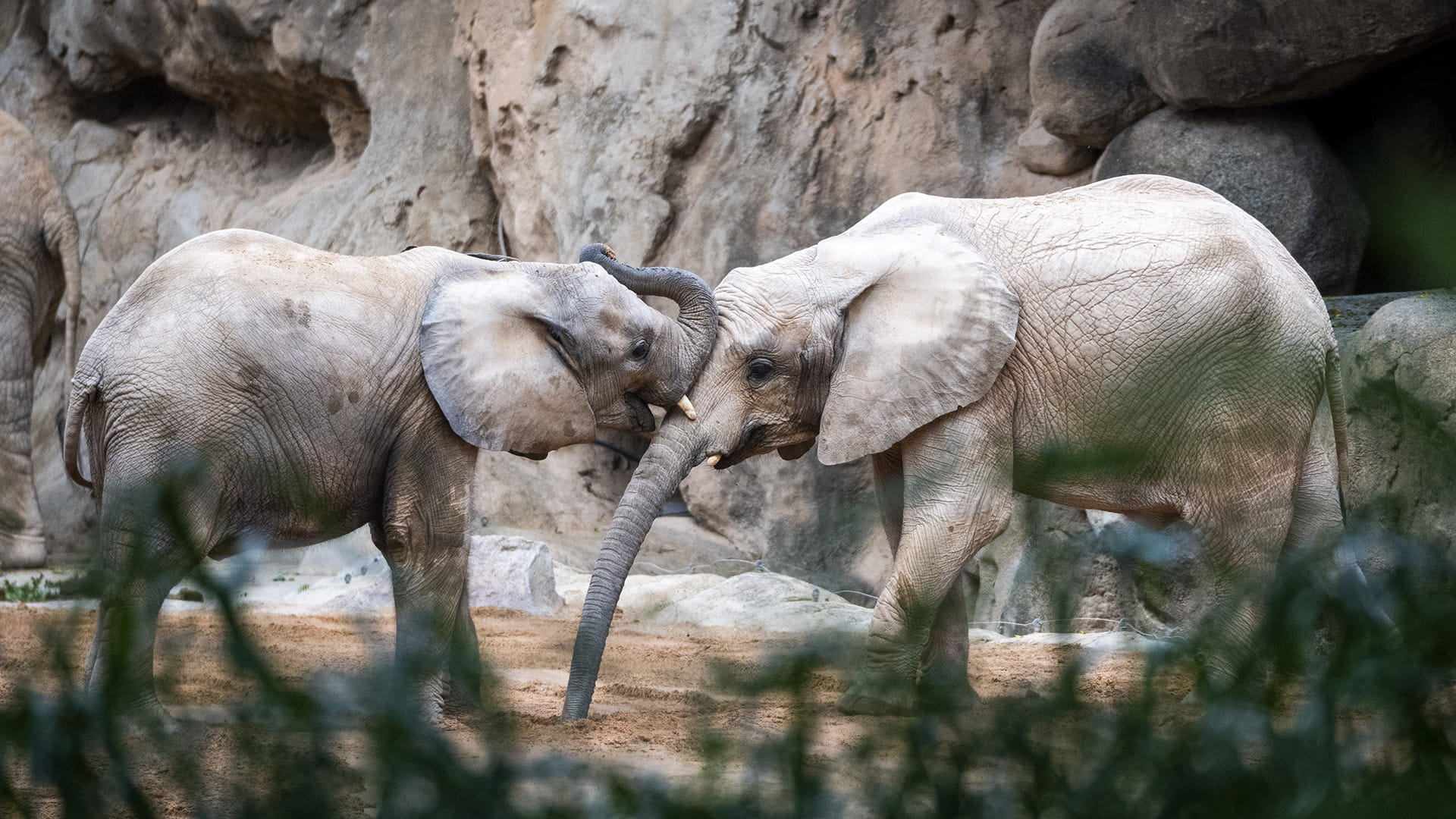
BIOPARC parks were pioneers in Europe in using zoo immersion in a cutting-edge design that faithfully recreates wild habitats, bringing ecosystems closer to society to evoke emotion through beauty, break down indifference, and mobilize people towards nature conservation. Parallel to this outreach work, it is essential to lead the preservation of species based on scientific criteria, and in this regard More than 70 people from 11 countries have shared experiences and lessons learned.as well as the latest trends and research to try to ensure survival of this African giant and to ensure maximum well-being of the pachyderms.
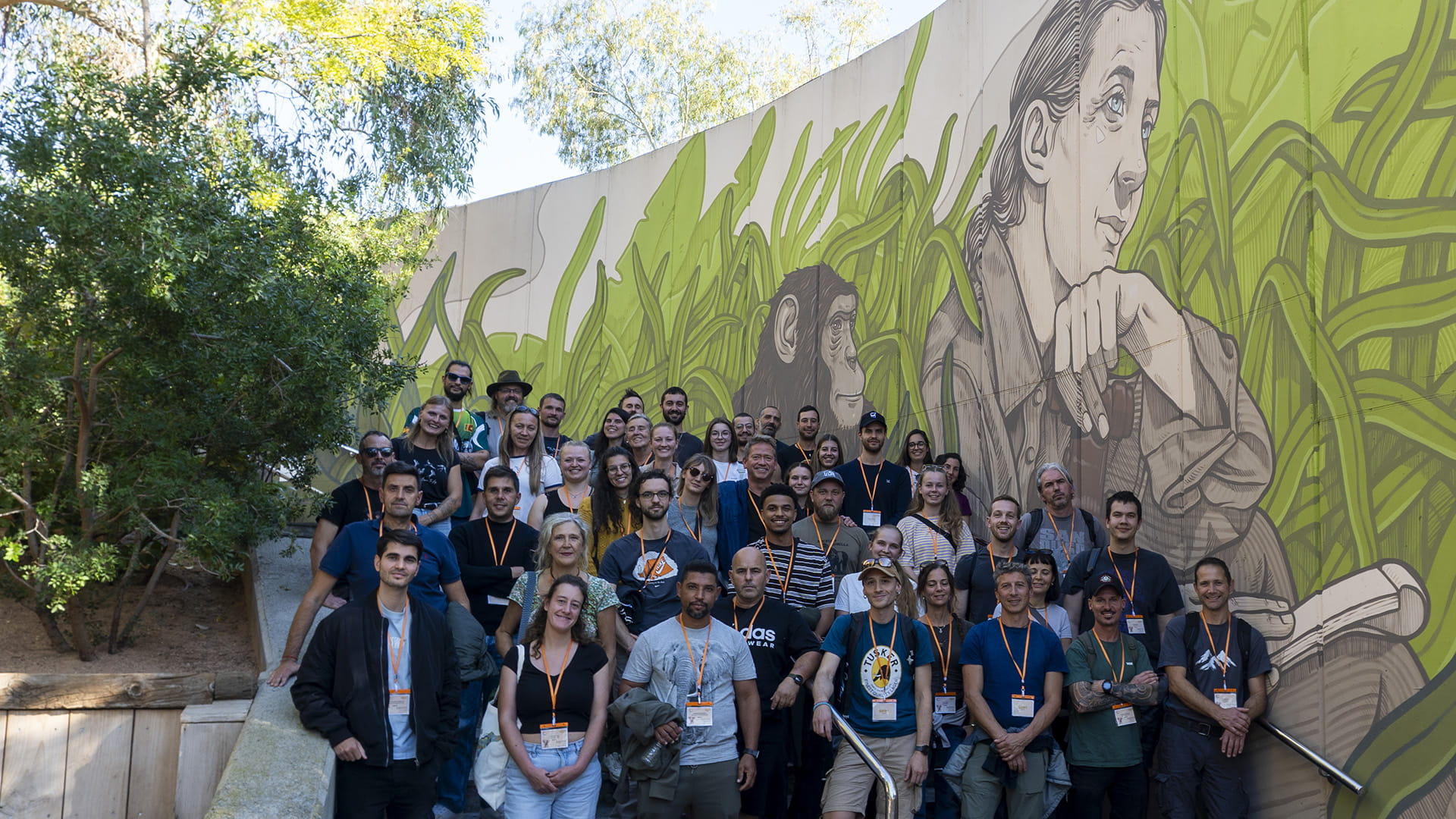
From October 20th to 22nd, BIOPARC Valencia hosted the European workshop on elephant welfare and care.
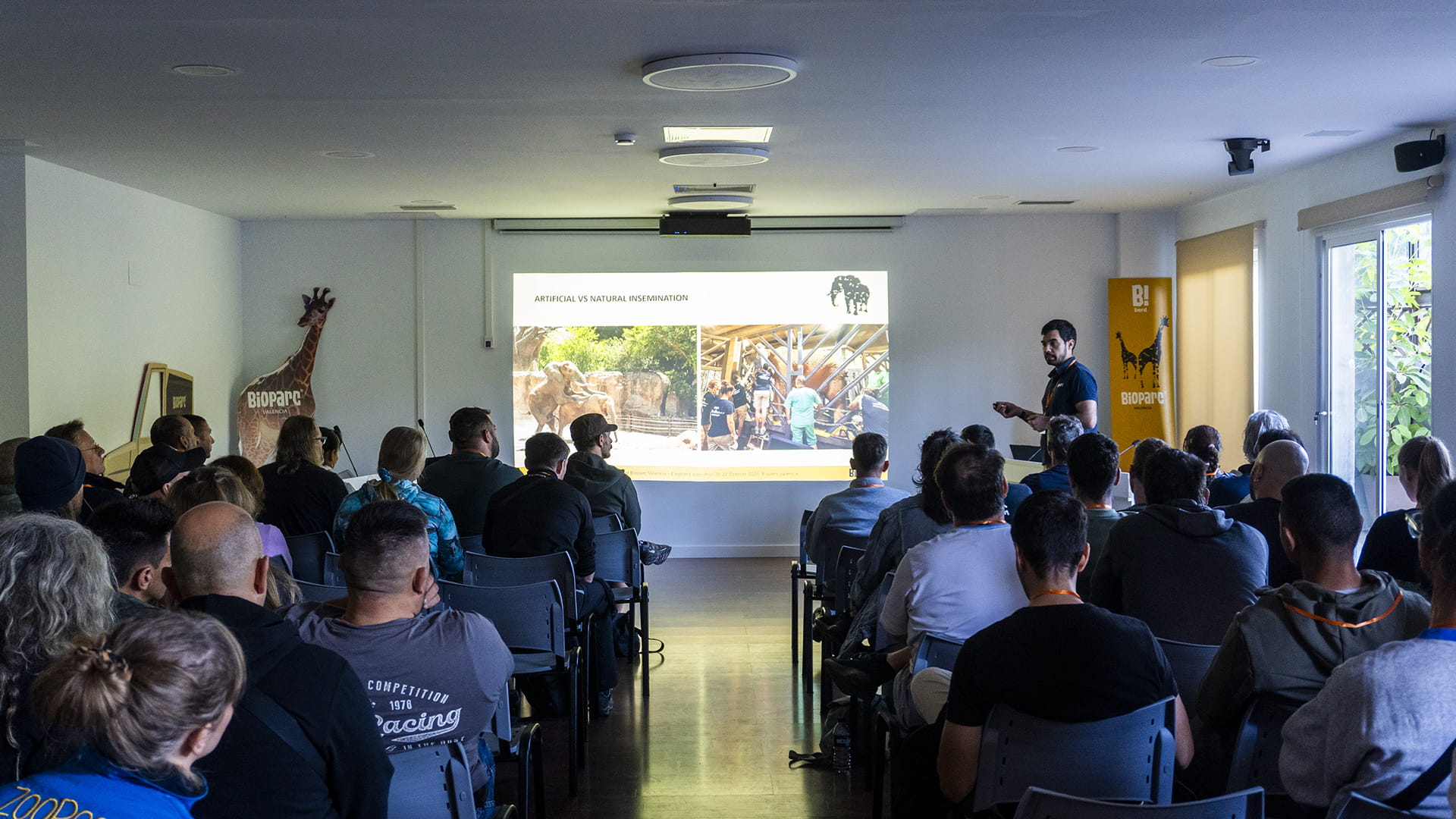
For three days, specialists in biology, zoology, veterinary medicine and ethology They have contributed their experience in the protection and care of elephants. Furthermore, in this Workshop, Which has been eminently practicalAttendees were able to witness various medical training sessions on elephants conducted by BIOPARC Valencia's animal care staff. These sessions not only maintain the animals' optimal health but also ensure that the animals participate entirely voluntarily. In this way, the elephants "cooperate, avoiding the need for anesthesia, for example, when trimming their nails, drawing blood, or performing other veterinary procedures," explained one of the staff members. Miguel Casares, director of BIOPARC Valencia.
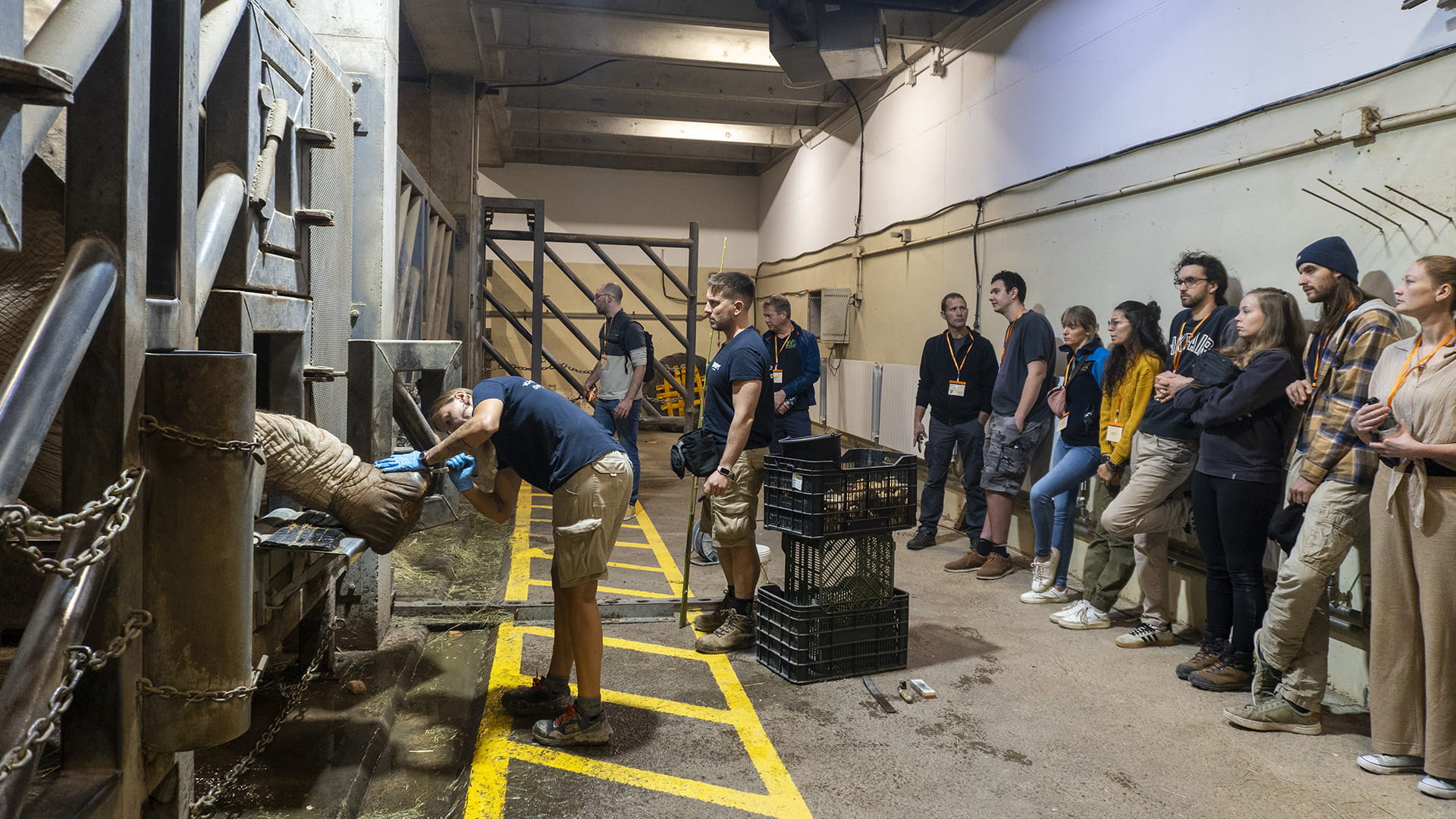
Along these lines, the biologist Claudia VollhardtIn her talk, she explained the importance of training in the daily routine of the elephant group at the Karlsruhe Zoo (Germany) where she works. “We train the elephants to facilitate preventative care, such as foot checks and blood and urine sampling. Anything we can train them to do voluntarily, we train them to do.”
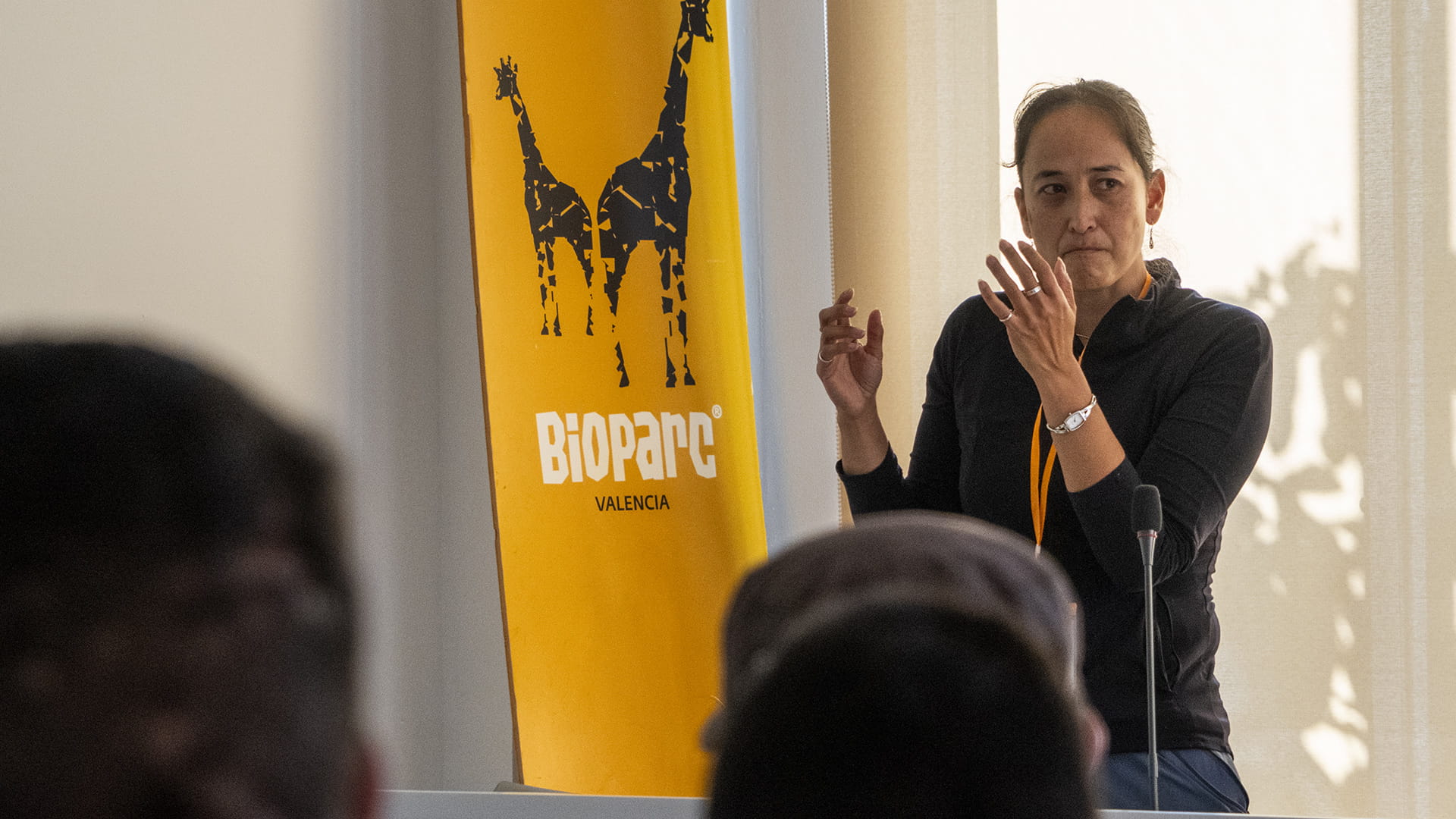
During the sessions, the physical and emotional well-being of elephants was one of the main topics discussed, with particular attention paid to the five domains model. According to Xavier MantecaDr. [Name], a Doctor of Veterinary Medicine and Professor in the Department of Animal and Food Science at the Autonomous University of Barcelona (UAB), explained that “applying the five-domain model allows us to identify some of the most important factors for ensuring their well-being.” Among these factors are “having a soft substrate that facilitates rest, having different ways to obtain food to develop a rich and varied feeding behavior, and social interaction with other elephants.”
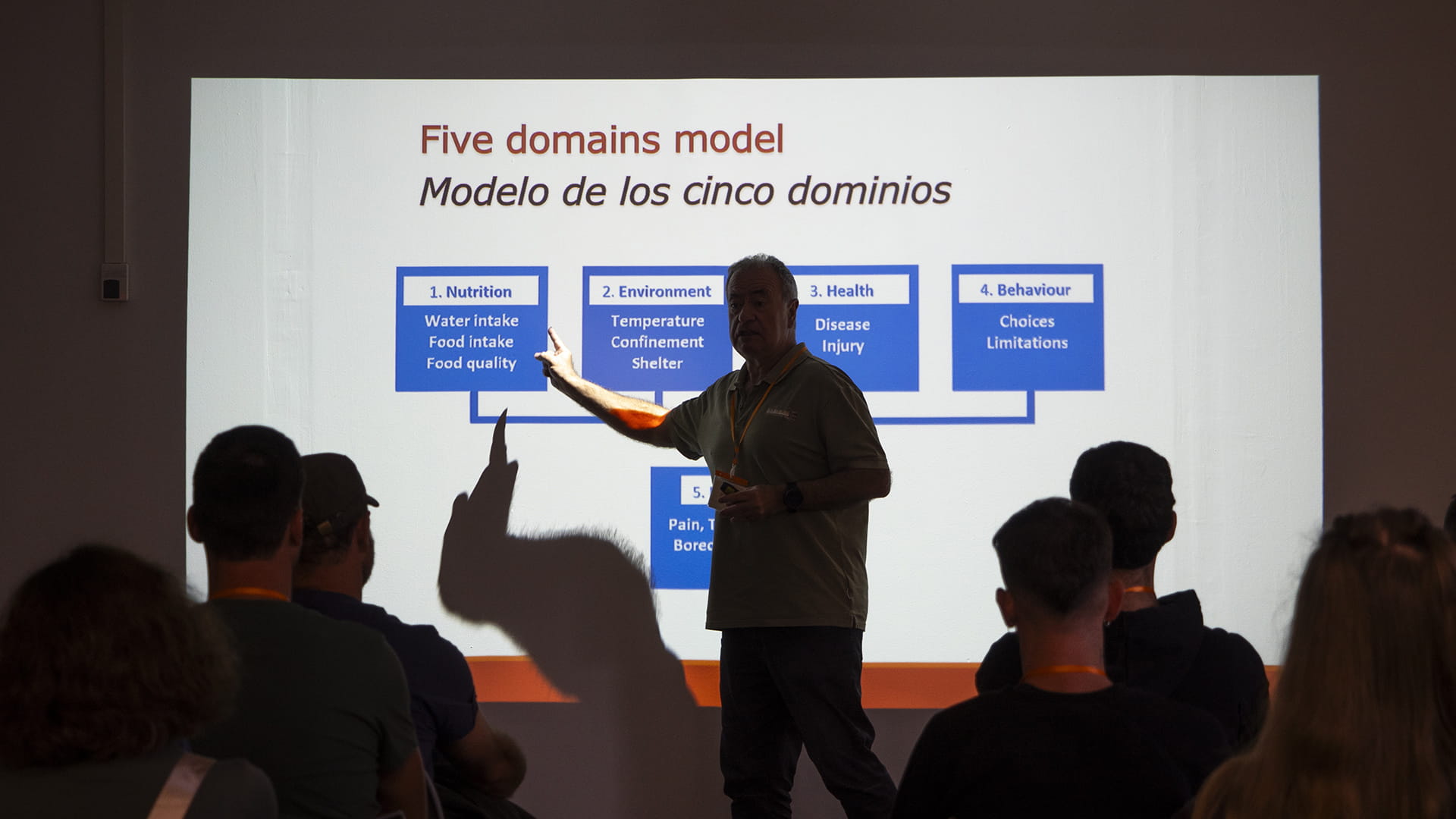
To Miguel GoodThe technical director of Dublin Zoo (Ireland) stated that animal welfare is a field related to care that has evolved rapidly in recent years. During his presentation, he affirmed that "scientific advances demonstrate that these animals need specific care focused on their mental well-being," agreeing that "one of the most widely accepted ways to assess welfare is the five-domain model."
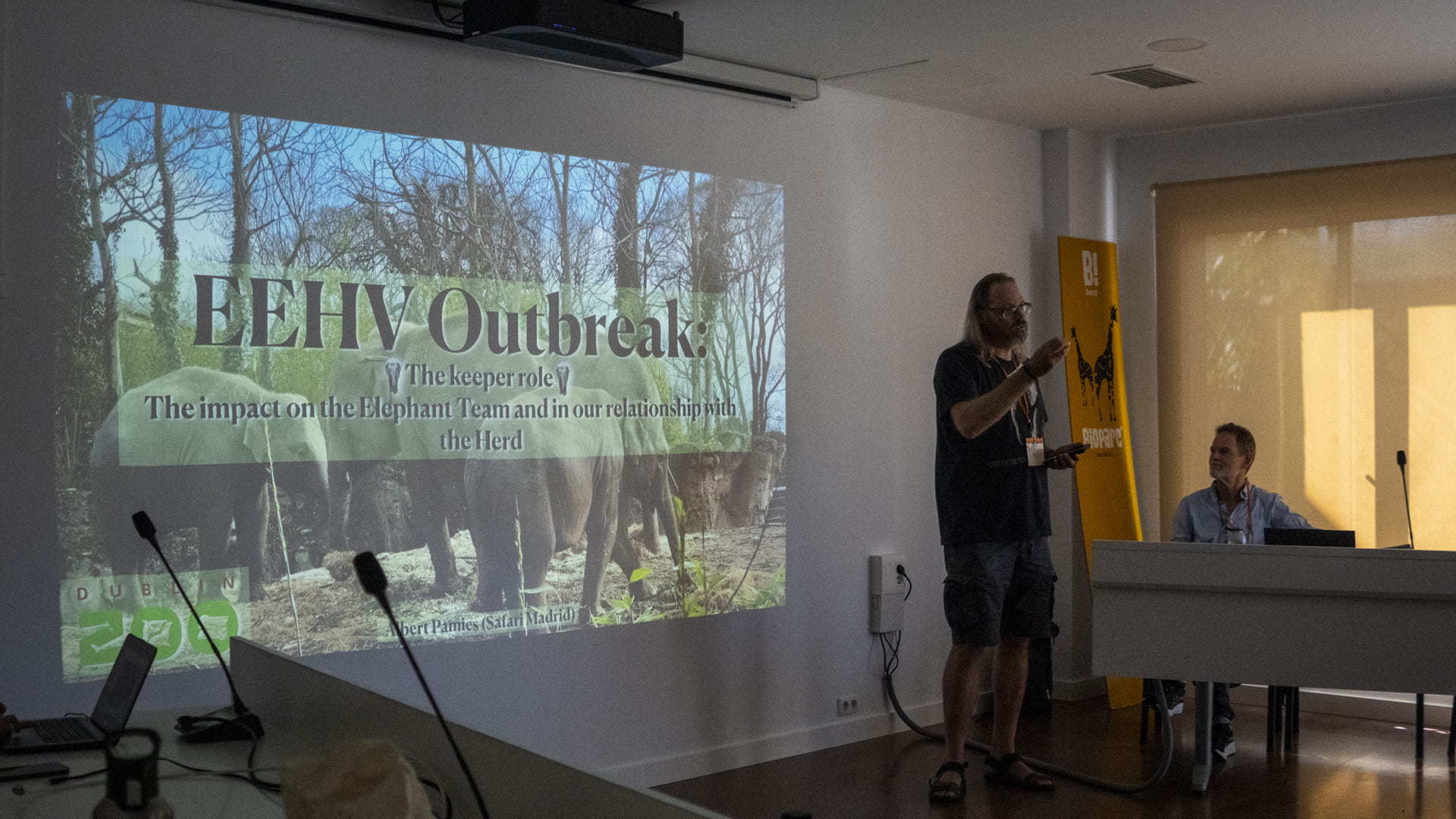
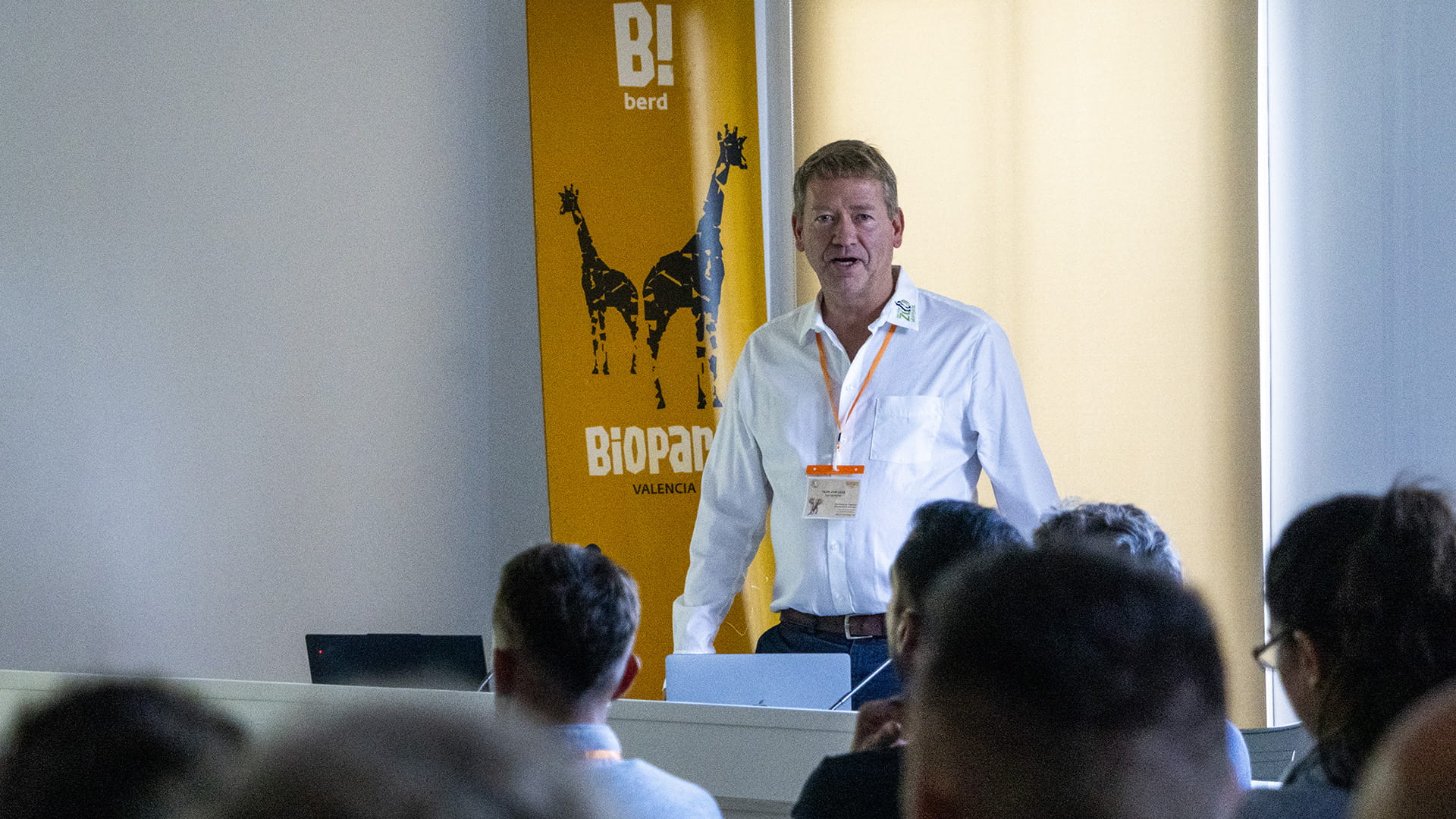
In addition, presentations by professionals in elephant care such as Filipe von Gilsa (Wuppertal Zoo, Germany), Albert Pamies (Safari Madrid), Oscar Gallon (Les Terres de Nataé, France) and Javier Martínez, veterinarian at BIOPARC Valencia, They have addressed aspects such as reproduction, nutrition and health of the largest land mammal on the planet, the advances in the scientific research related to herpesvirus outbreaks, as well as the needs and stability of the groups, and personalized care in all circumstances, such as in old age or for the optimal development of offspring. All of this should have a significant impact on the quality and life expectancy of animals in European animal parks.
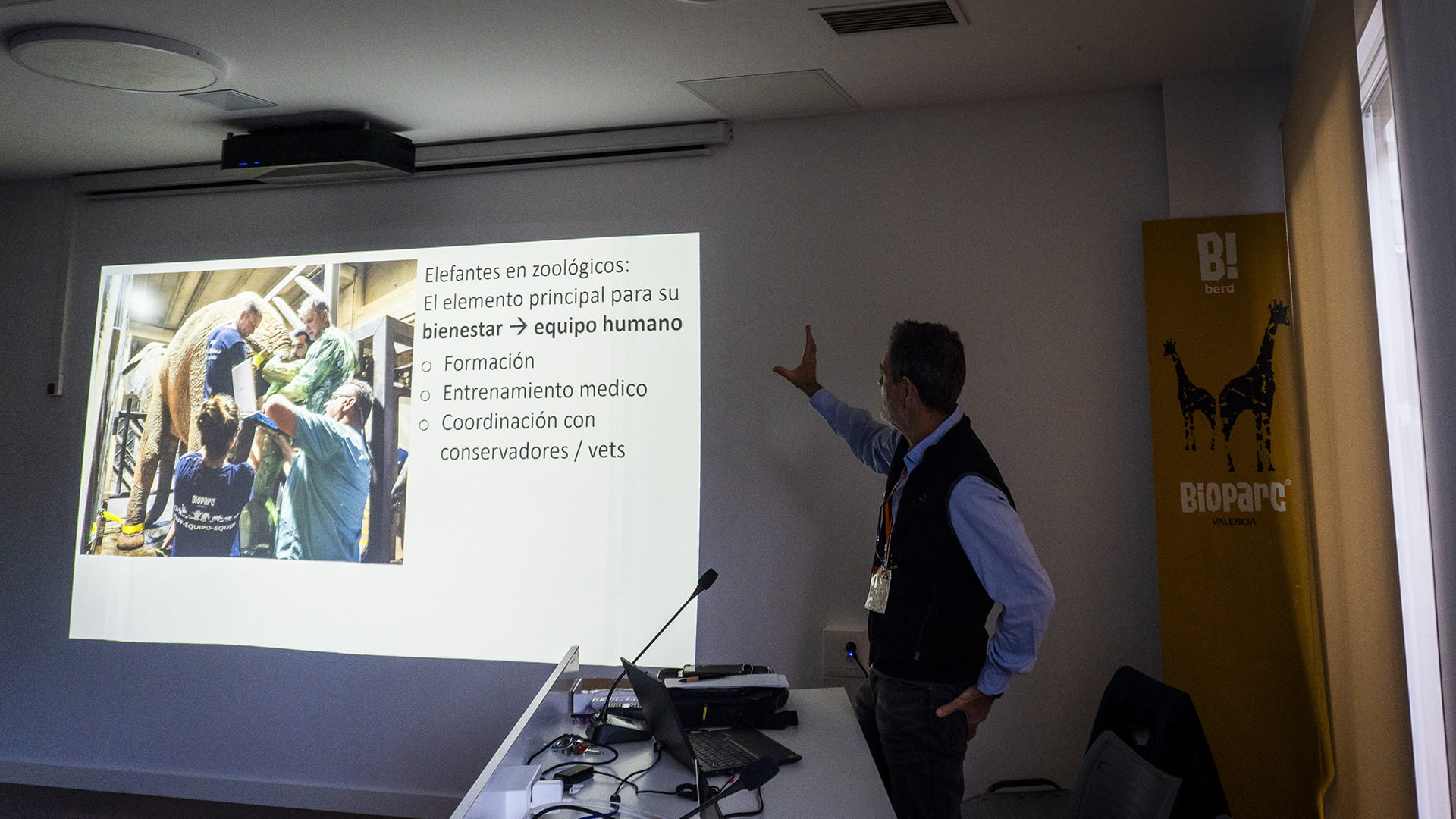
The elephant, the largest land animal and a symbol of threatened megafauna
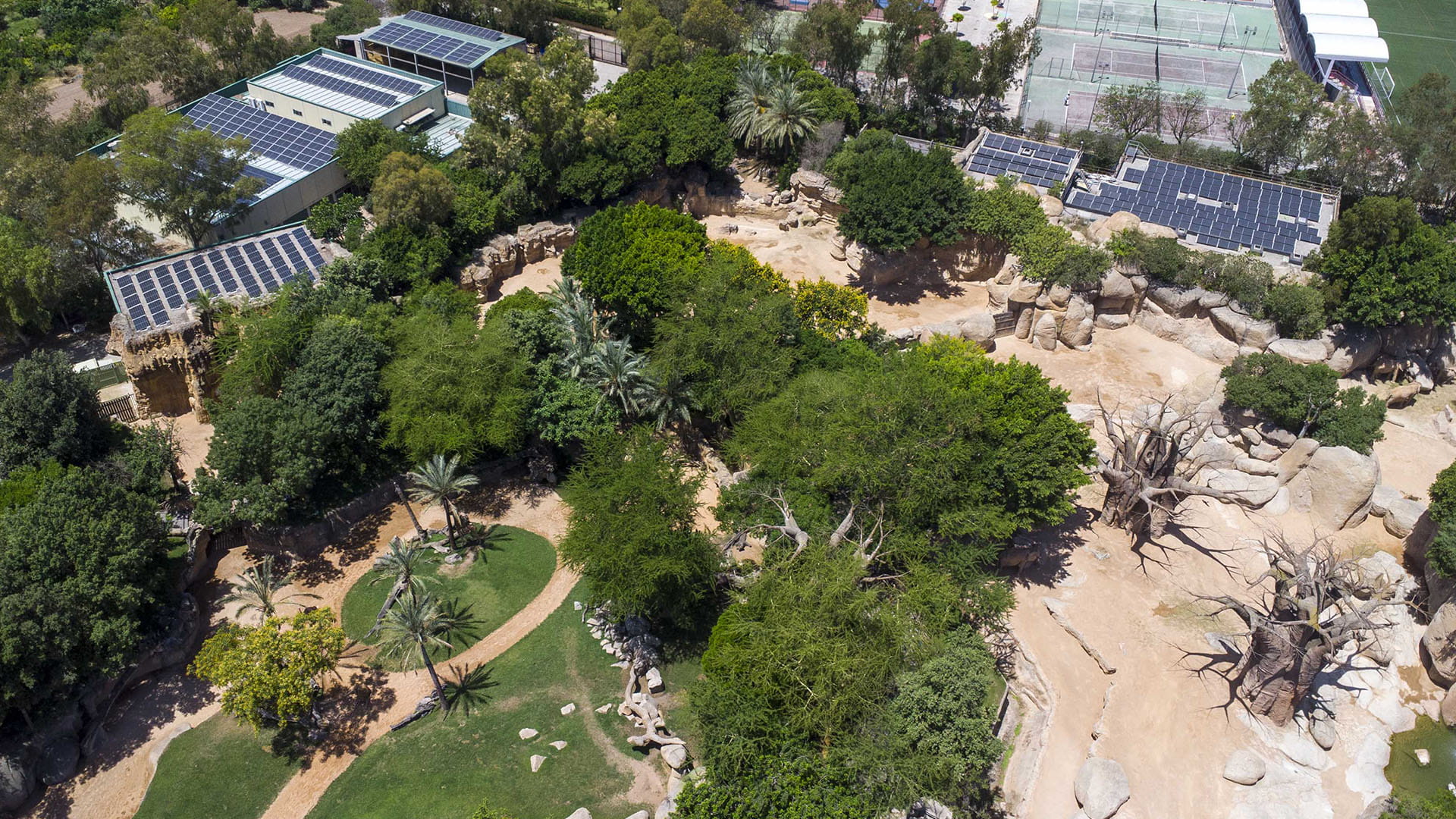
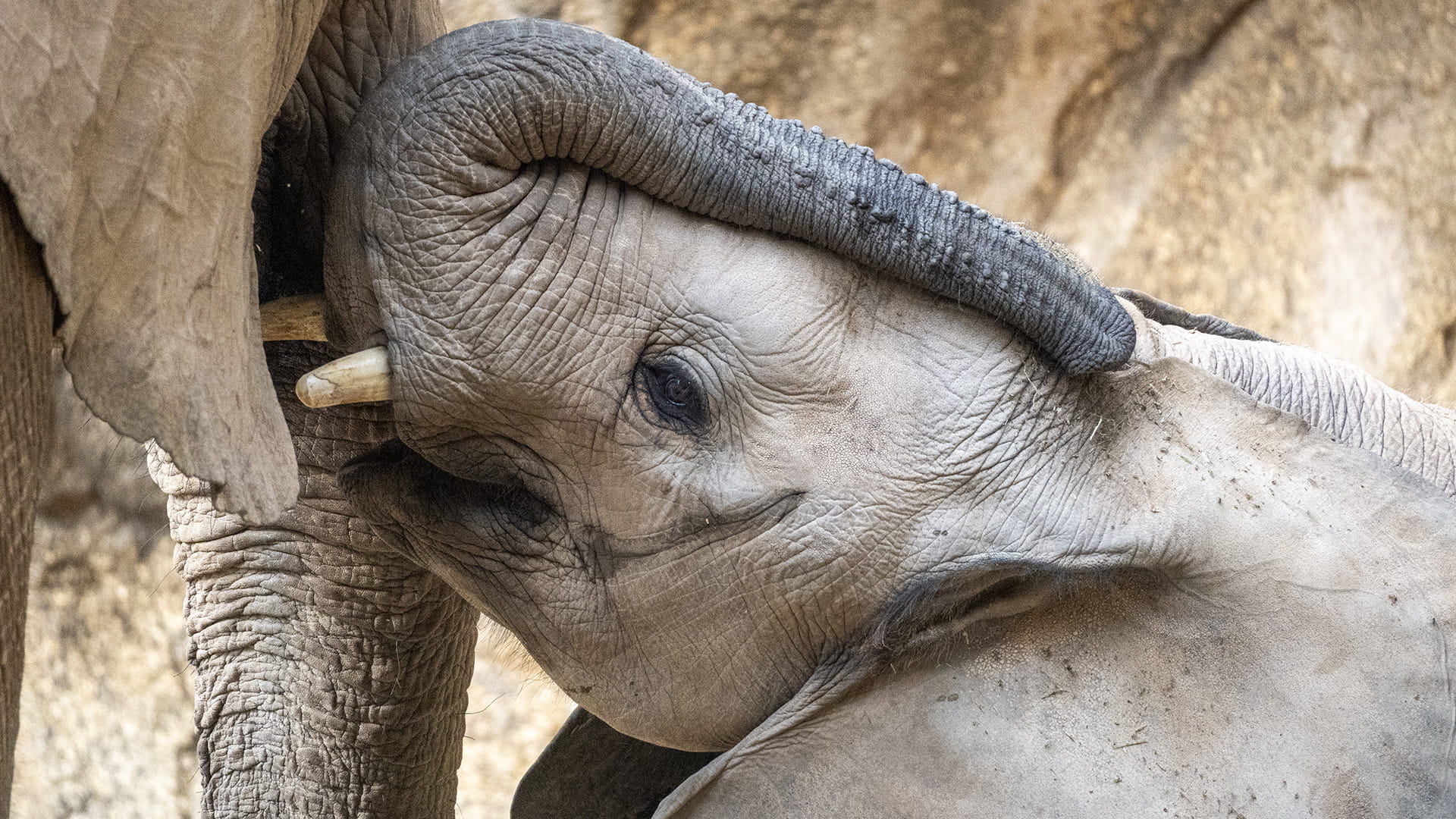
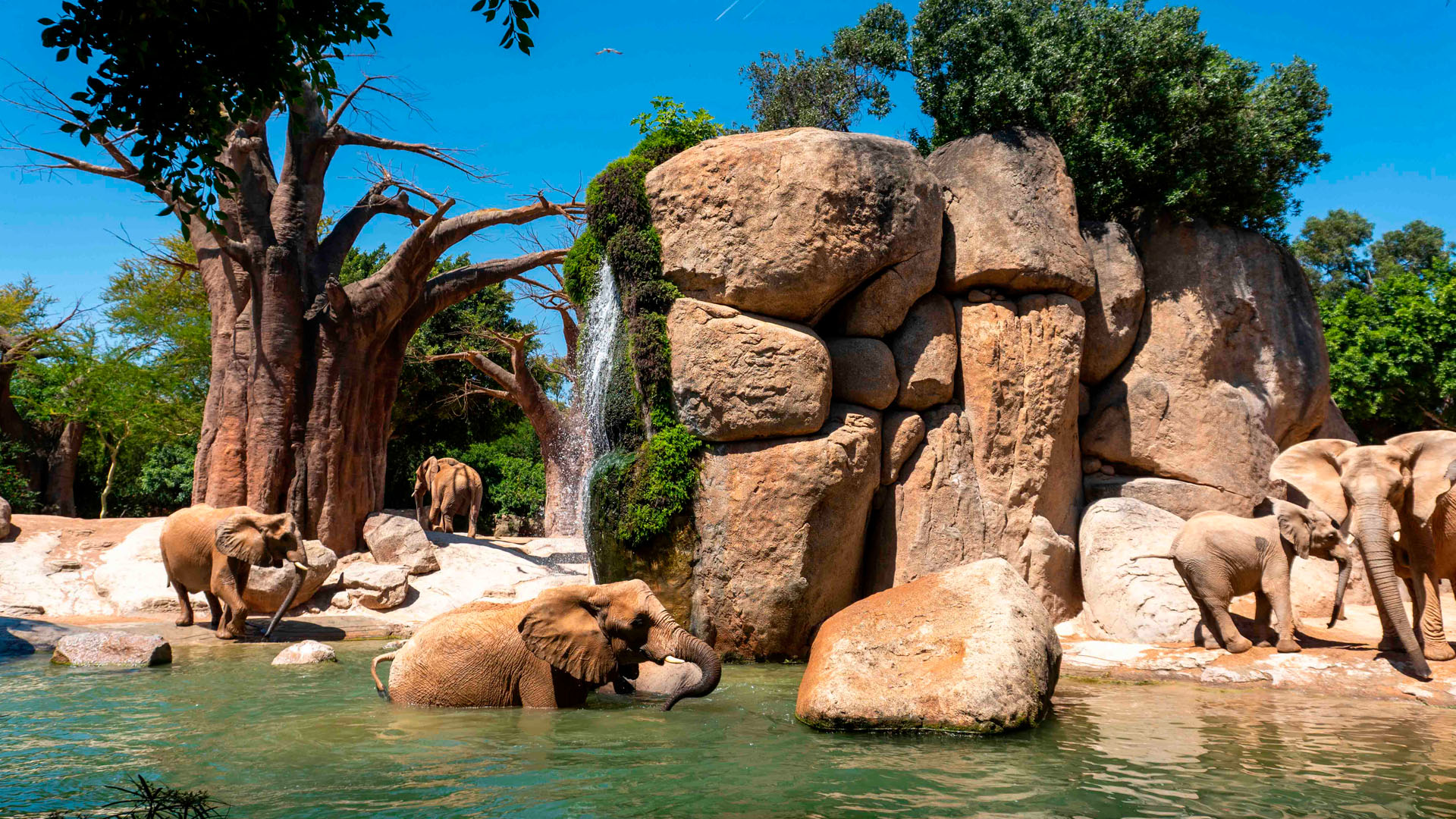
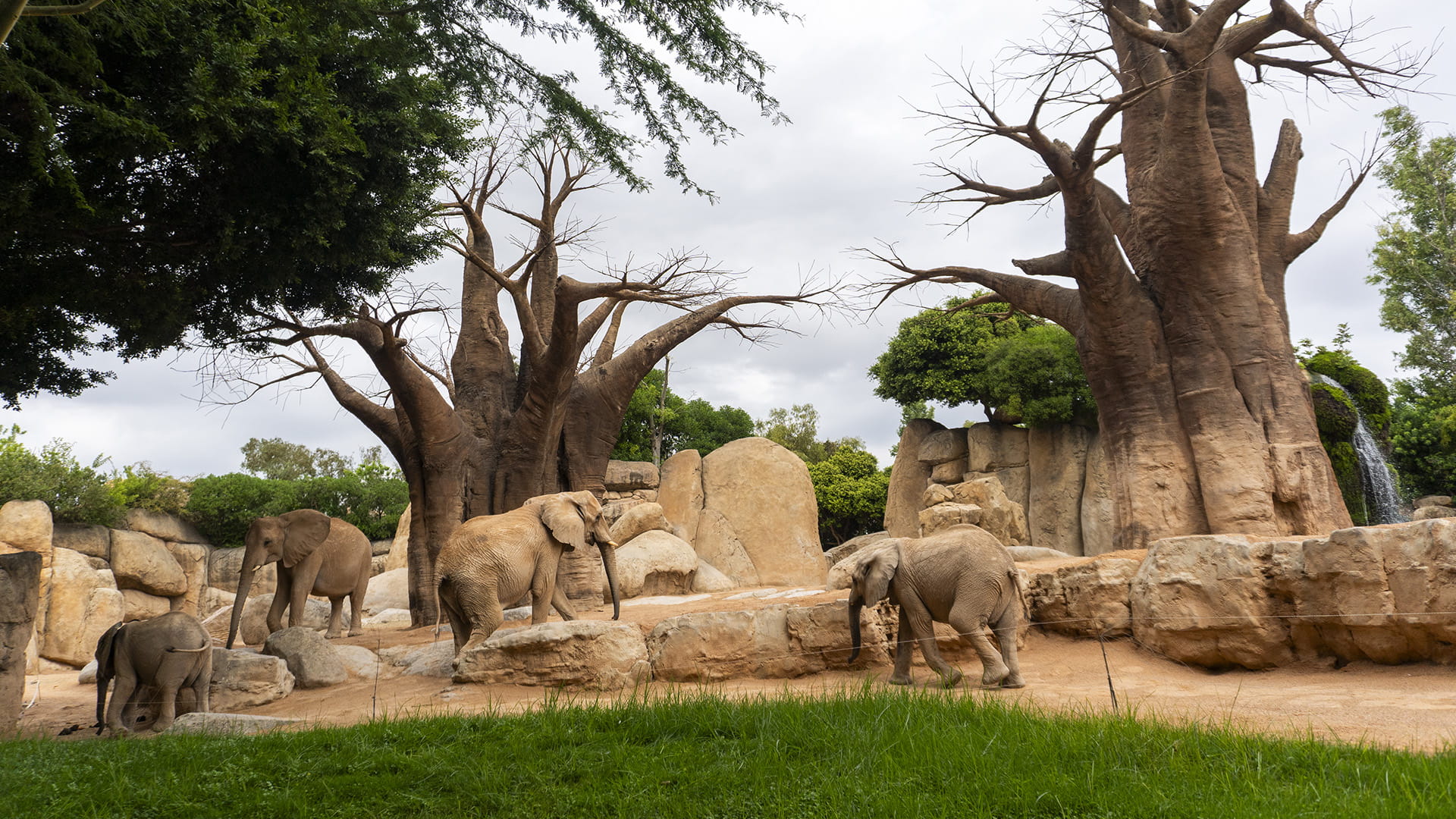
In the space that showcases an impressive baobab forest next to a large lake, the herd of elephants (Loxodonta africana) from BIOPARC Valencia, which is part of the European Programme for the Conservation of Threatened Species (EEP)It can be observed exhibiting its natural behaviors. Habitat loss and poaching for ivory remain its main threats, with a population that has been drastically decimated. an estimate of 350.000 individuals.
BIOPARC with the global preservation of biodiversity
The future of biodiversity and this symbolic mammal requires a new global vision that includes both populations under human care and those living in the wild. While the BIOPARC centers in Fuengirola, Valencia, and the Gijón Aquarium are committed to animal welfare and work on around one hundred ex-situ conservation Endangered Species Programmes (EEPs), the BIOPARC Foundation is promoting in-situ projects in various parts of the world. Among these, in Africa, is the project it is developing in collaboration with the Big Life Foundation. Greater Amboseli National Park, between Kenya and TanzaniaIt protects this valuable enclave and its ecological corridors, favoring the survival of many species such as elephants, lions, giraffes and rhinoceroses.