
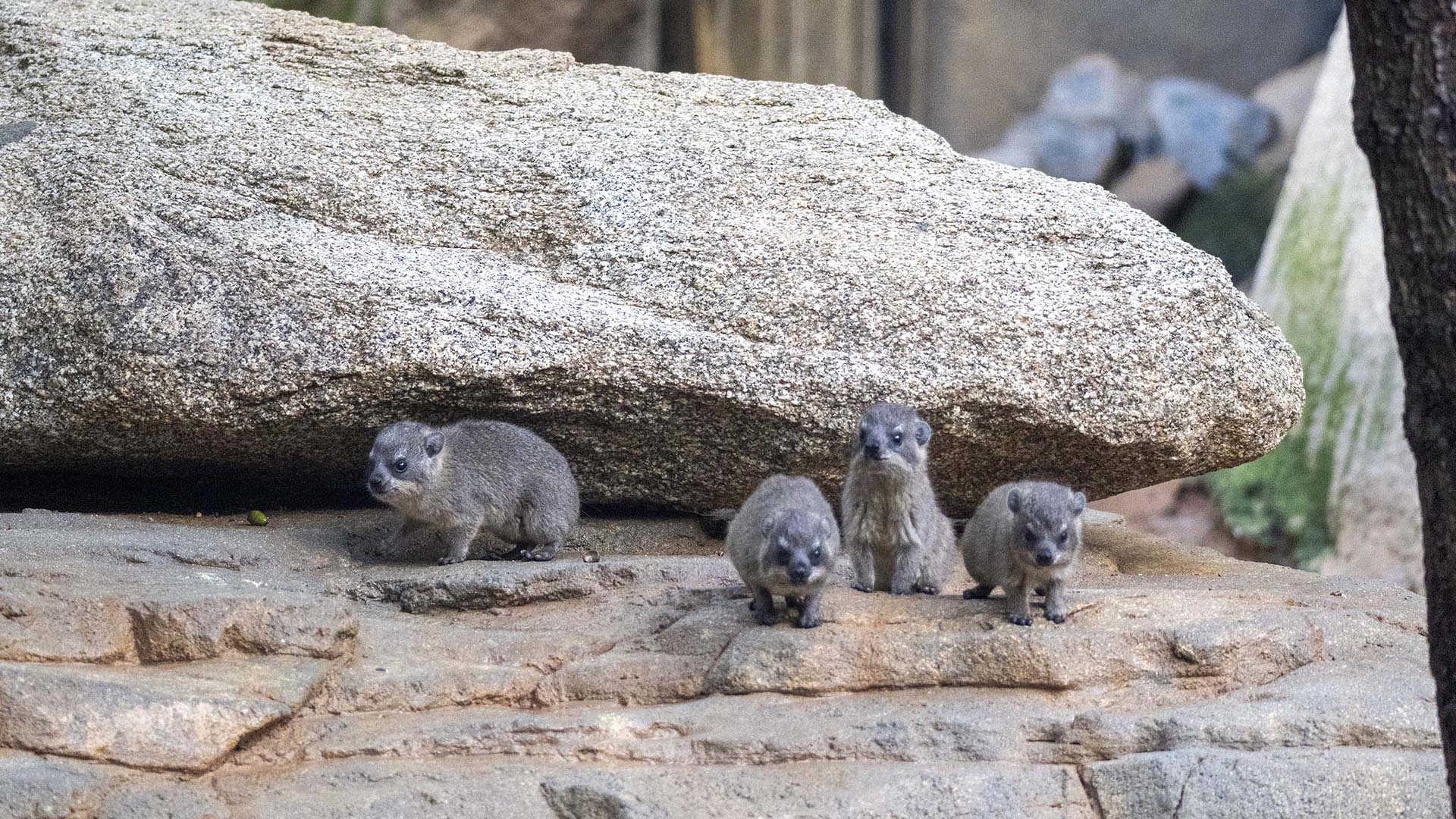
Surprisingly closely related to the elephant, manatee, and dugong, BIOPARC Valencia is the only center in Spain that houses the rock hyrax, which is linked to the Spanish phrase "I-span-ya." The four new chicks confirm the success of the adult group, which is now fully enjoying the well-being offered by the renowned multi-species aviary. This litter is another example of the park and the BIOPARC Foundation's commitment to the conservation of endangered species, bringing hope with numerous births of animals such as the mangabey, blesbok, duiker, drill, elephant, rhinoceros, and chimpanzee.
Discovering the immense biodiversity of our planet is fundamental to raising awareness about its protection, and BIOPARC Valencia works towards this goal by bringing almost unknown species closer to the public, such as the rock hyrax, which hides a curious connection with the history of our countryAmong the various theories about the origin of the name “Hispania” It is found that points to the Phoenician term “I-span-ya”which would mean “land of hyraxes”Actually, the Phoenicians were referring to the rabbits they found on the peninsula, which were strange to them, but reminded them in appearance of hyraxes, very common in their lands.
The rock hyrax in Spain can only be seen at BIOPARC Valencia.
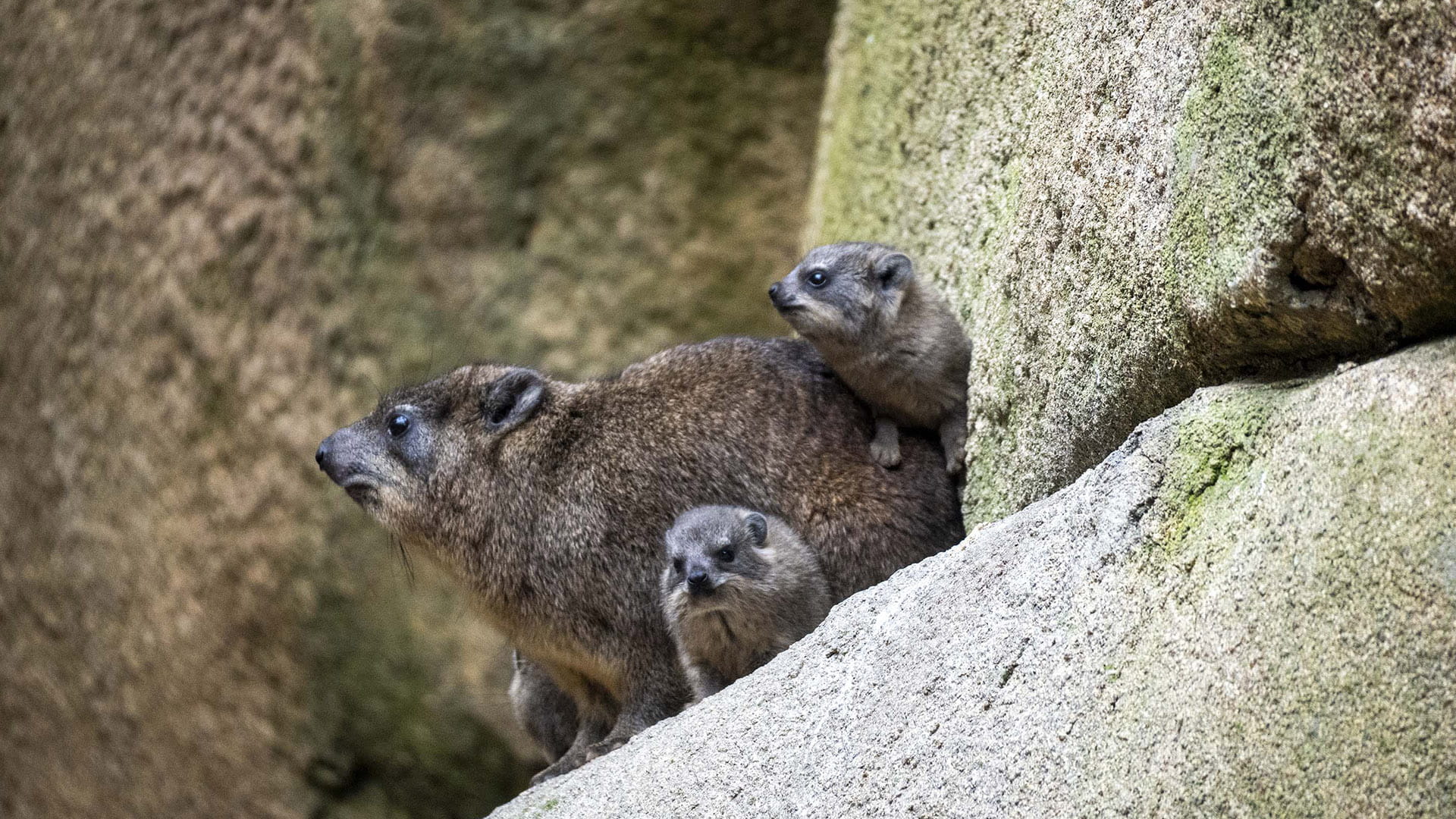
El rock hyrax (Procavia capensis) can only be seen in Spain at BIOPARC Valencia, whose group of 2 males and 2 females has increased with the litter of 3 males and 1 female who, thanks to their favorable evolution, already climb, travel through the cracks of the rocks and follow the movements of the adults around the aviary.
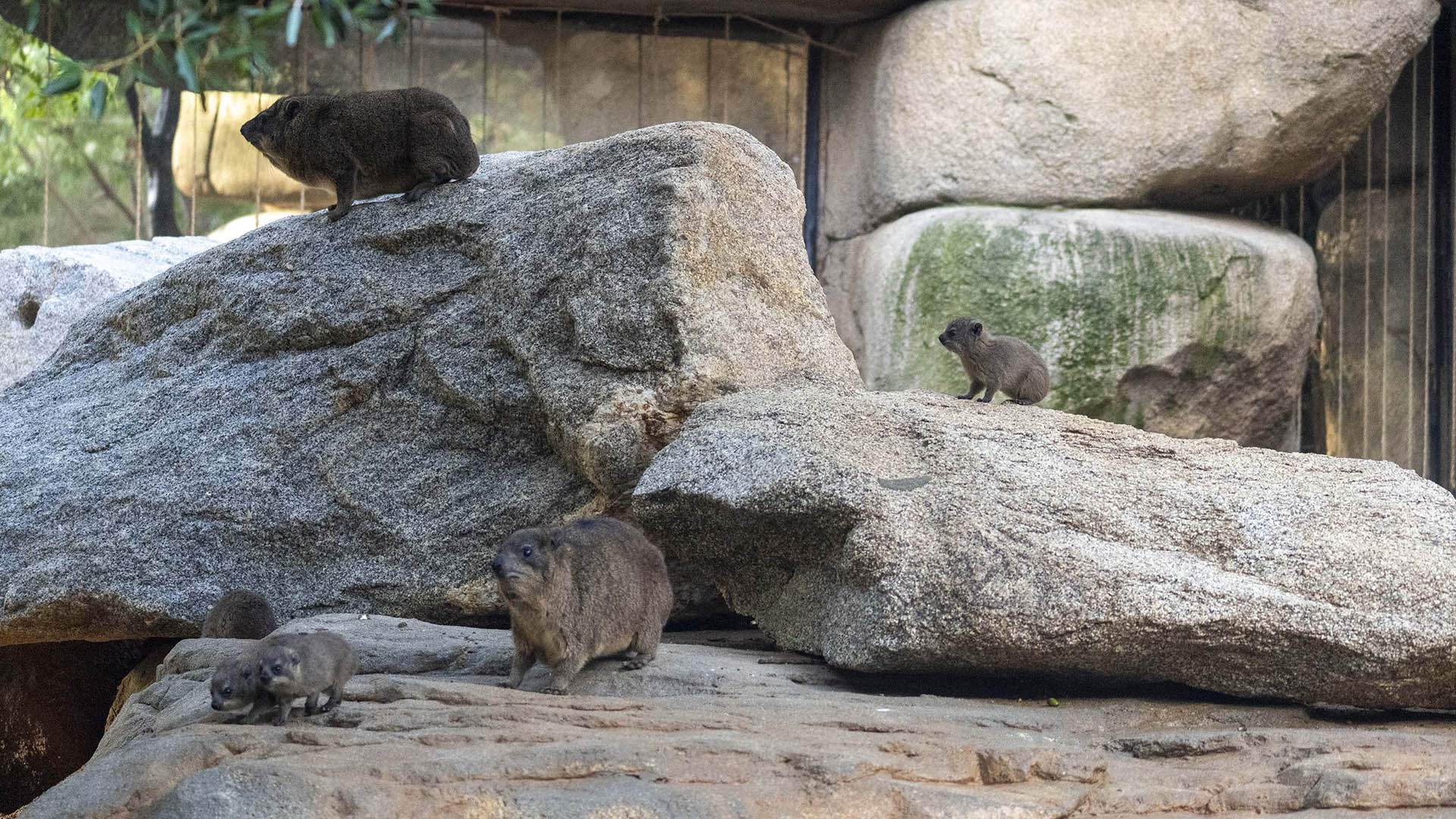
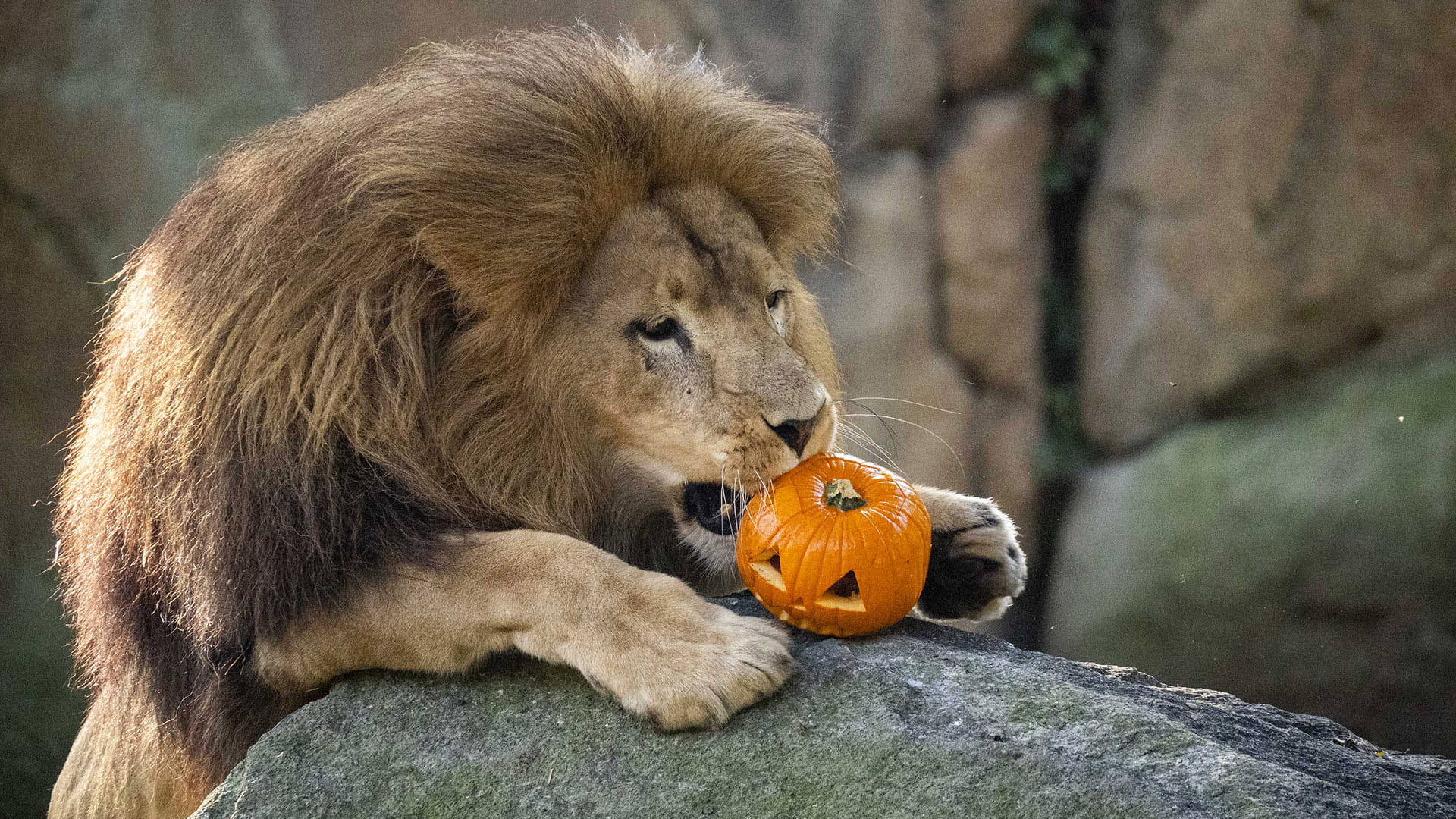
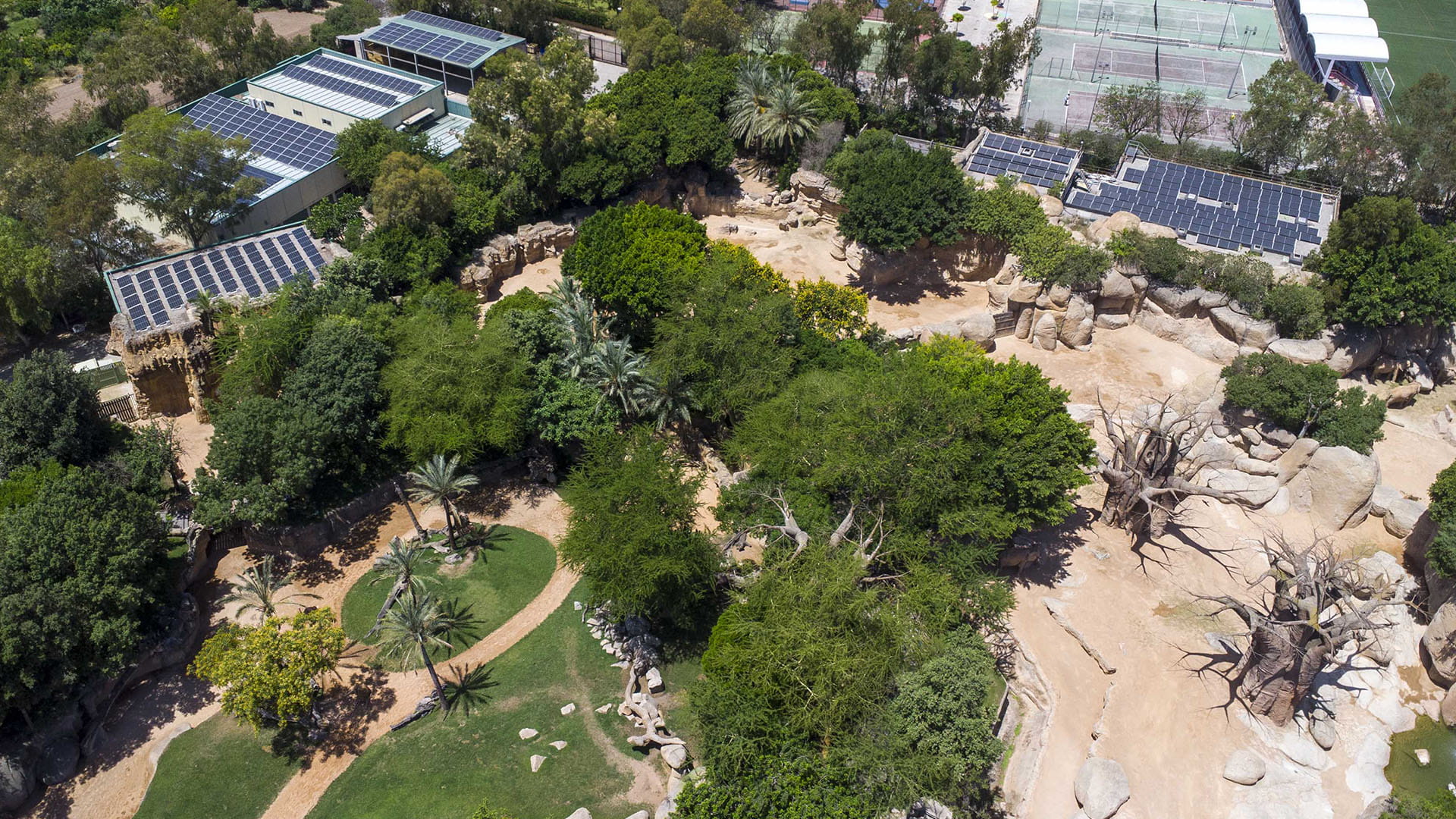
This multi-species enclosure characteristic of the park's concept and animal welfare It is one of the most admired features of the park, offering a vantage point from which to observe the lions perched atop the recreated kopjes of the African savanna. There, it coexists with the northern bald ibis (extinct in Europe since the 17th century), Abdim's stork, the hammerhead hawk, the vulture, and the superb starling.
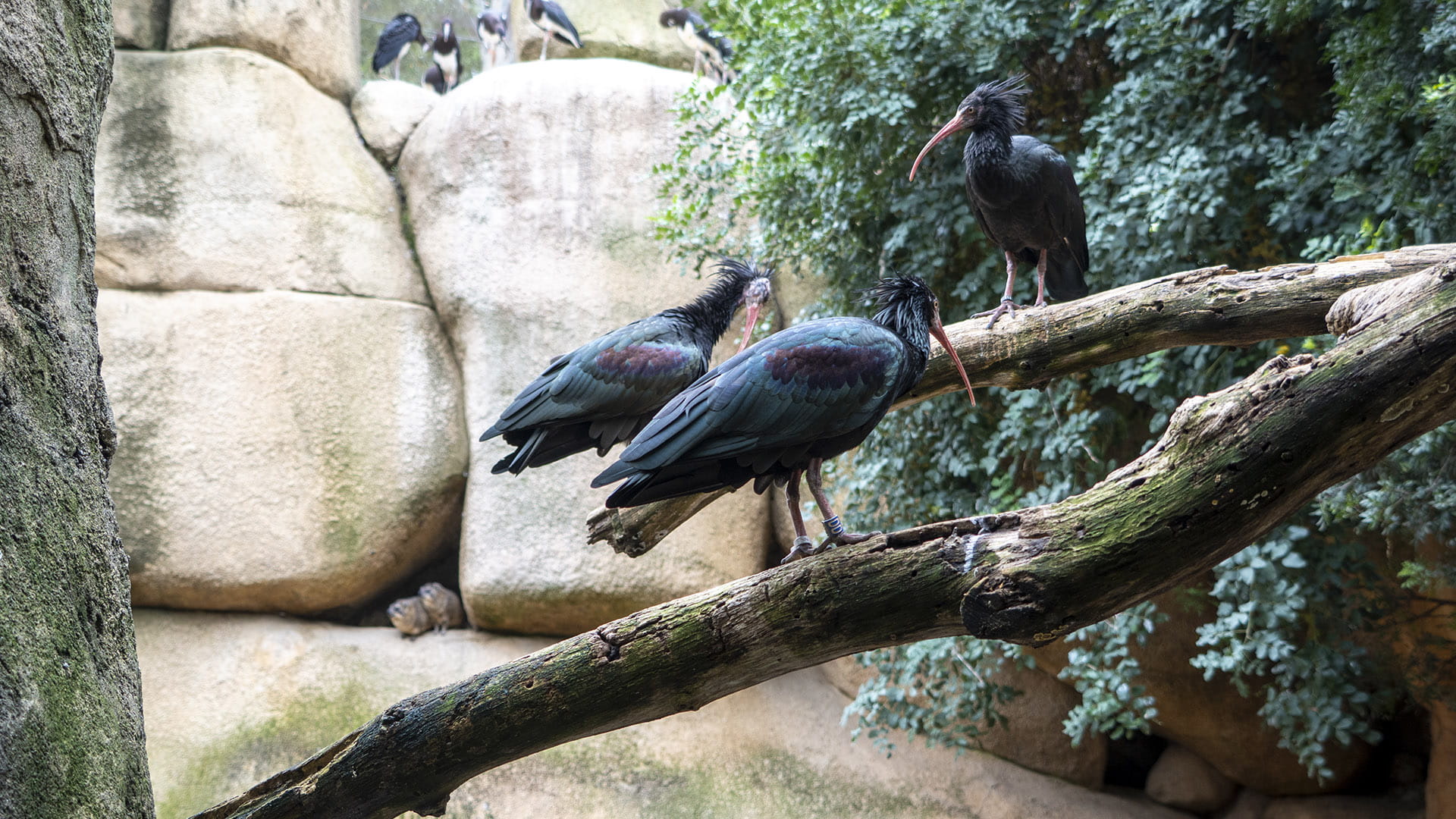
Although at first glance it looks like a rodent, this unique species has a surprising connection: It is evolutionarily related to other mammals whose origin was the African continent, such as elephants, dugongs, and manatees.Its size makes it difficult to imagine this connection with the giants of the savanna and with the aquatic animals that Christopher Columbus mistook for mermaids.
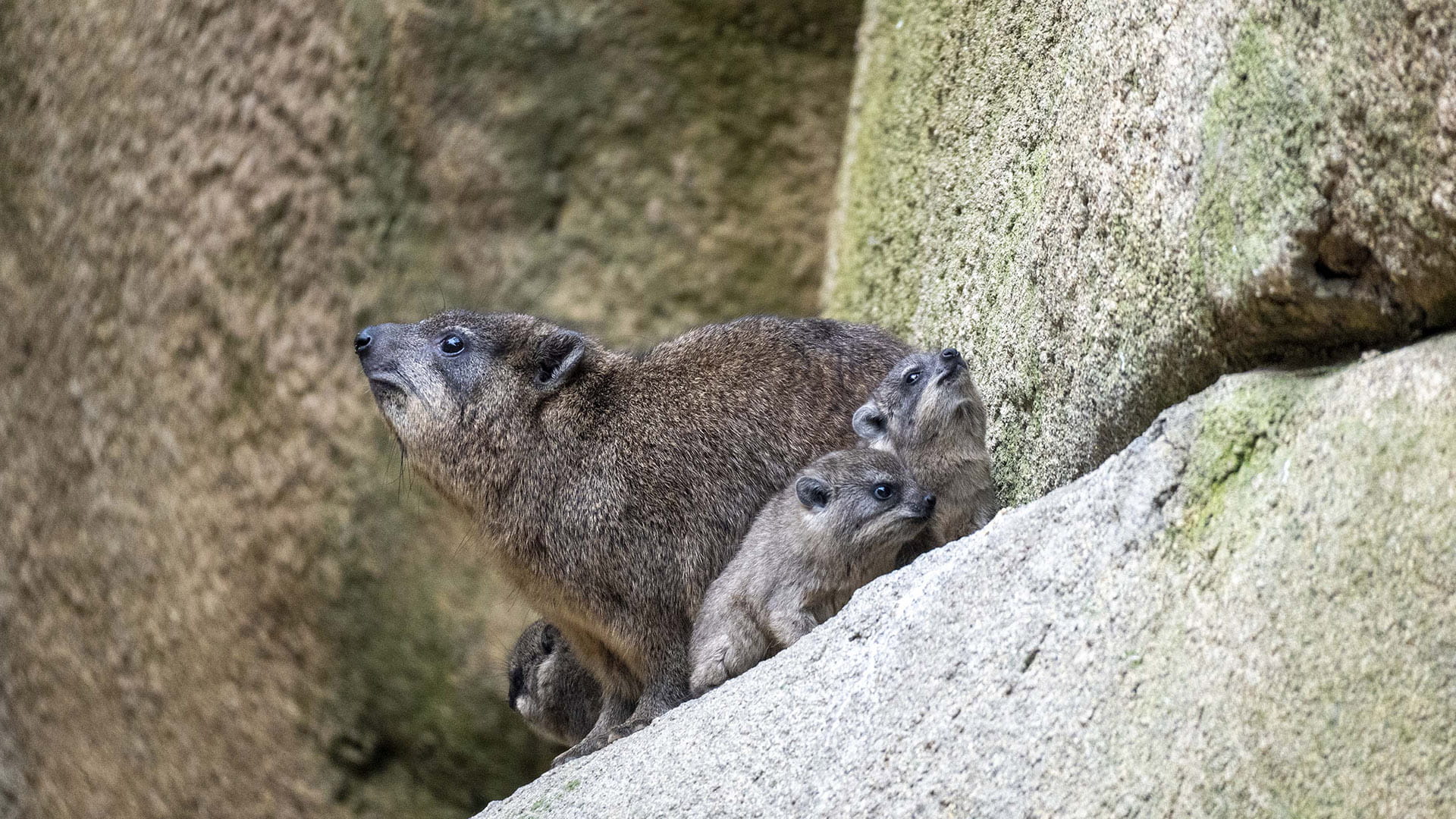
The rock hyrax, one of BIOPARC's "unknowns"
The gestation period of rock hyrax Its gestation period is 8 months, so they are born fully formed and covered in fur, and in a very short time they are able to move around on their own and eat solid food. Their very name, "rock lizard," hints at the close relationship they maintain with the landscape they inhabit. adapted to living in rugged terrain It doesn't build burrows, but rather uses the hollows in the slopes of cliffs as shelter. Its ability to move quickly across these surfaces allows it to escape predators, while its brown fur helps it blend in.
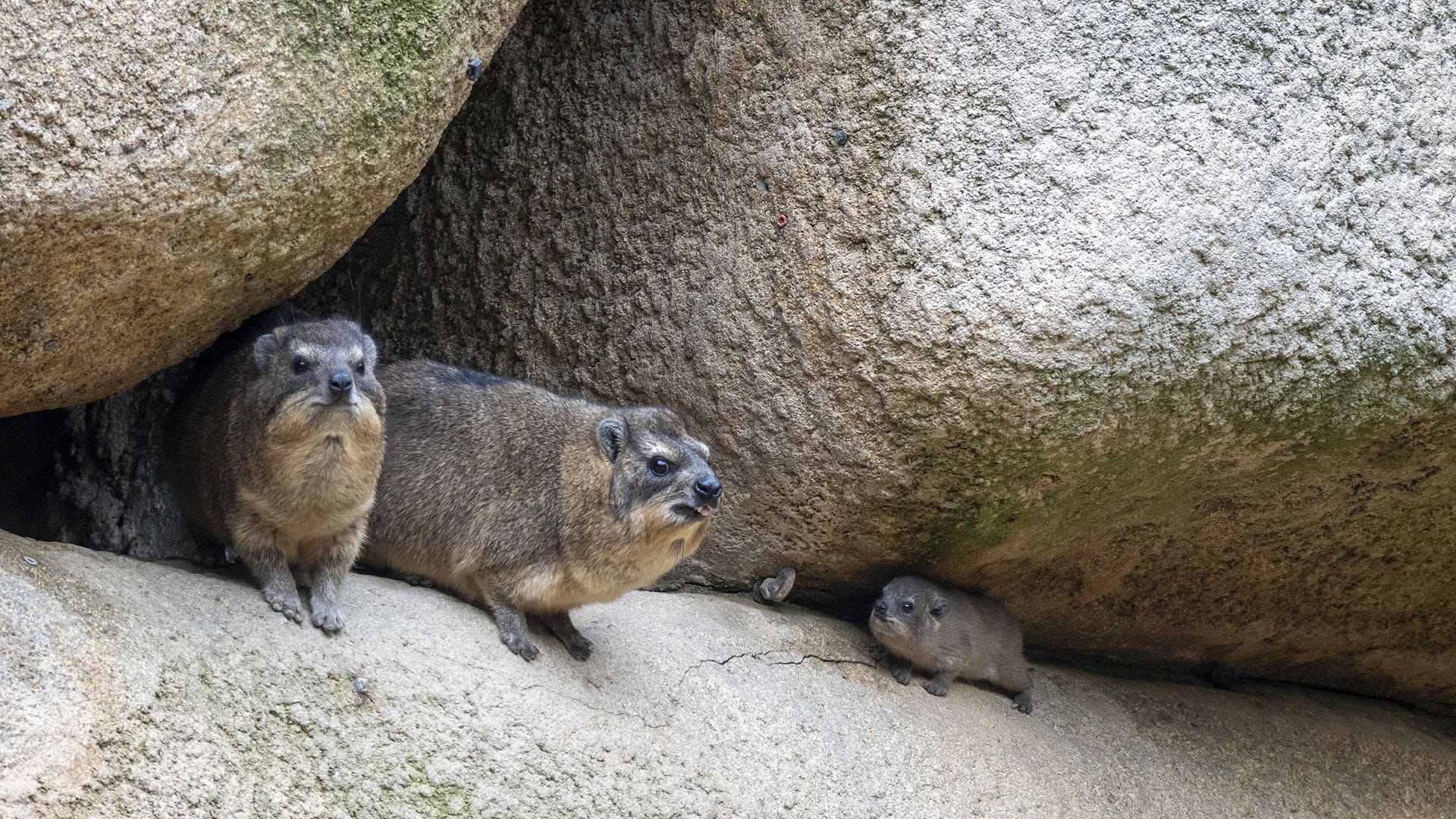
“Baby boom” of BIOPARC Valencia in 2026
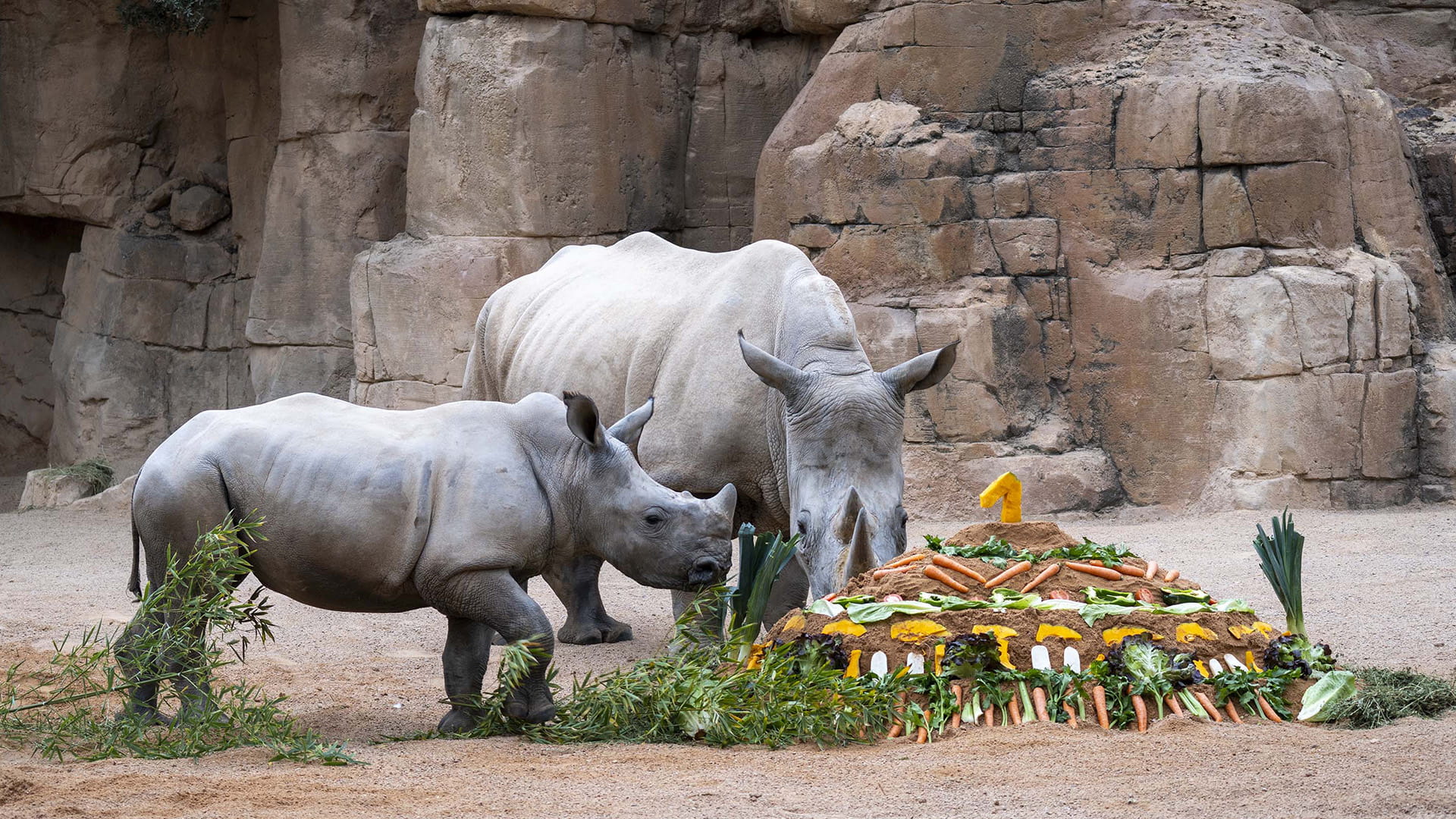
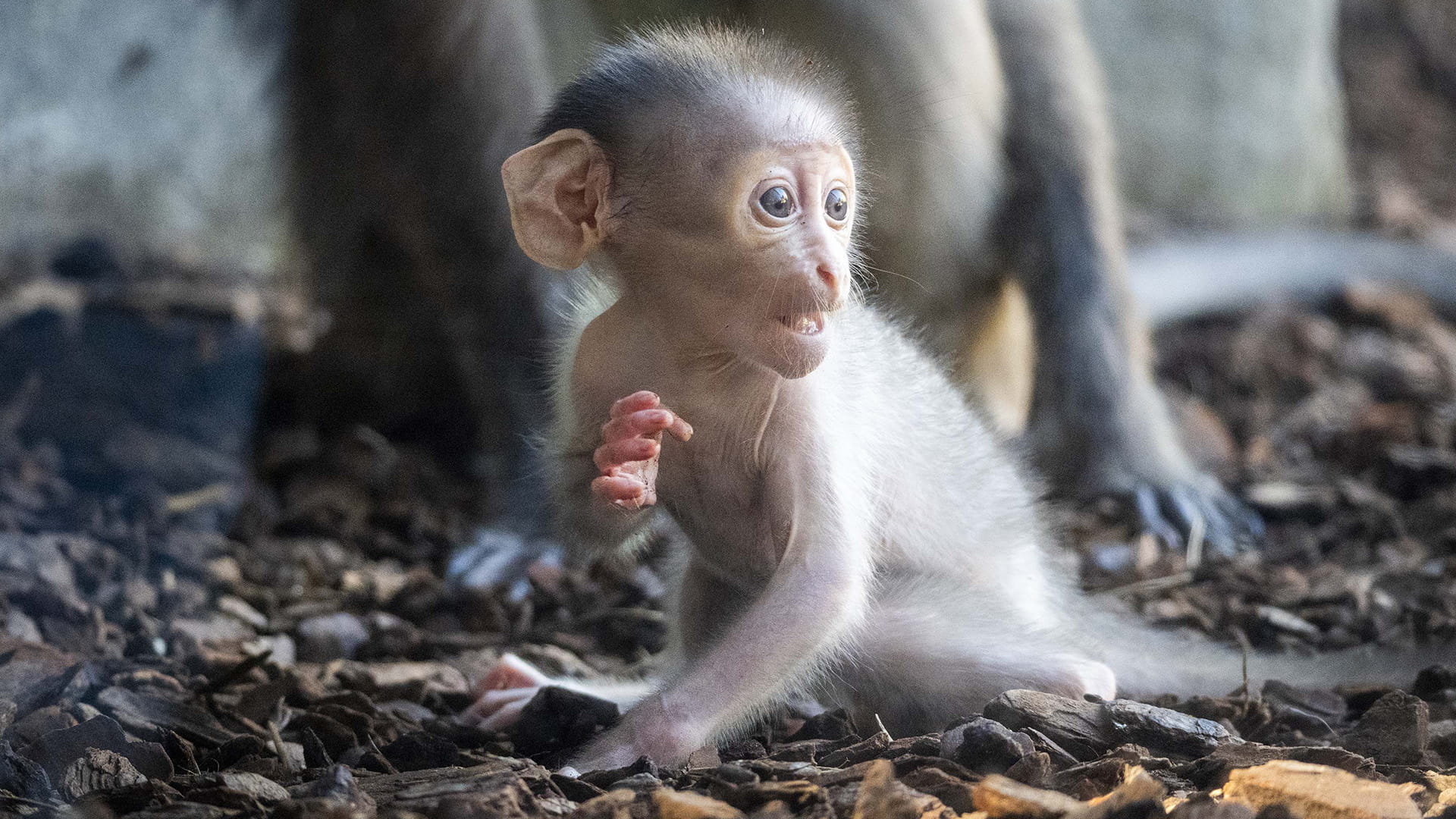
This new success extends the “baby boom” at BIOPARC Valencia, with Recent births of mangabey, blesbok, duiker and drill join the young of chimpanzee, rhinoceros and elephant. Along with the conservation actions promoted by the BIOPARC Foundationscientifically controlled breeding It brings hope to these endangered species. and makes autumn a very special time to visit the park.
El leisure model “with cause” includes a wide information offer free so that throughout the day you can enjoy activities such as guided tours, meetings with animal care staff or the educational exhibition "The Cycle of Life".