
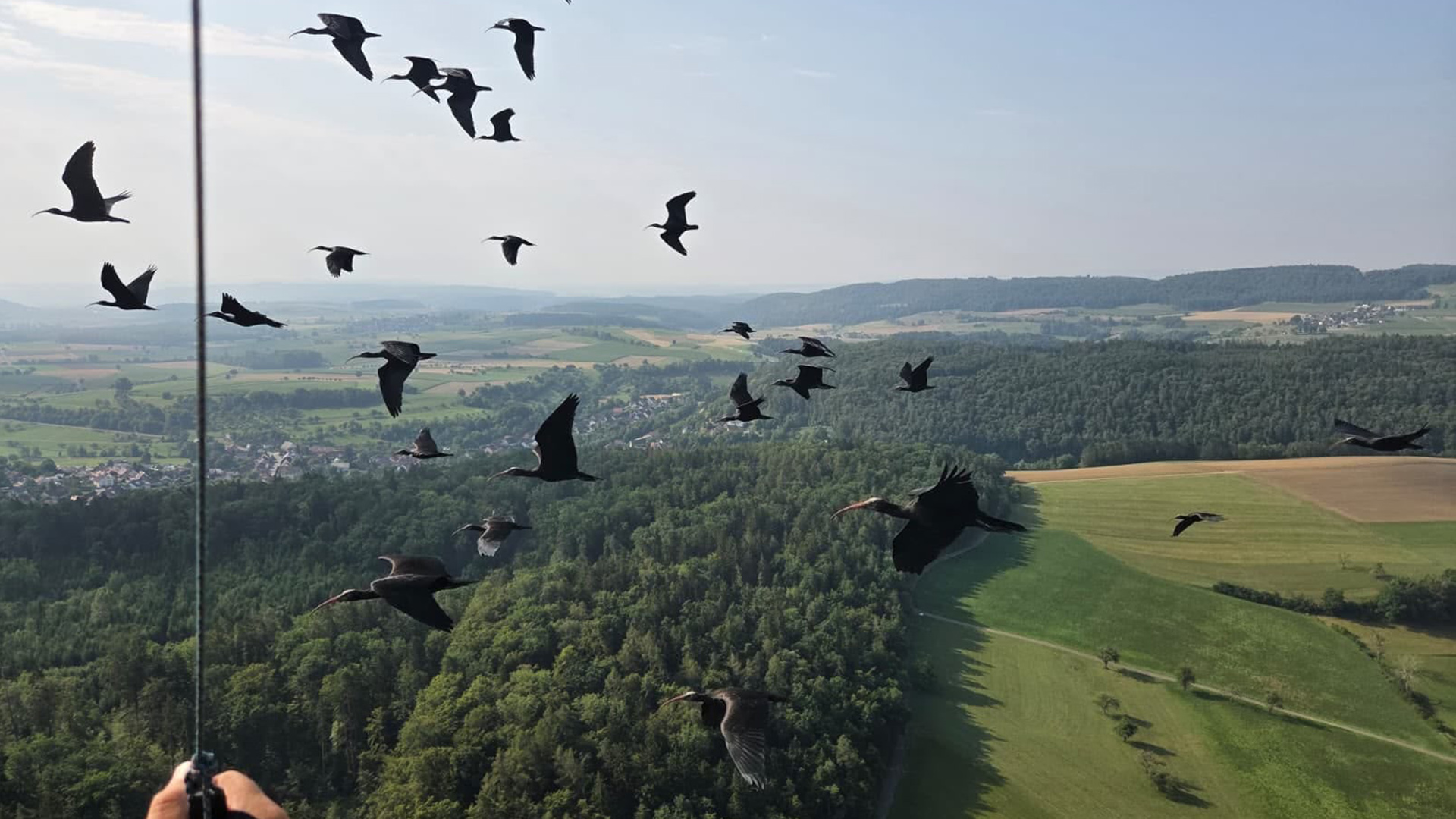
Thirty young northern bald ibises are traveling 2.500 km between Central Europe and Cádiz, Spain, following their human caregivers by plane in an effort to recover this species, which has been declared extinct on the continent since the 30th century. For the fourth consecutive year, BIOPARC is involved, covering the entire Spanish leg of the journey from France, including a stop in Valencia. A weather alert brought forward their arrival yesterday at the Olocau airfield, where the group is expected to remain until Friday before continuing their flight. The park houses a scientifically controlled breeding group within the international program to guarantee the birds' survival and offers the opportunity to see this charismatic bird up close.
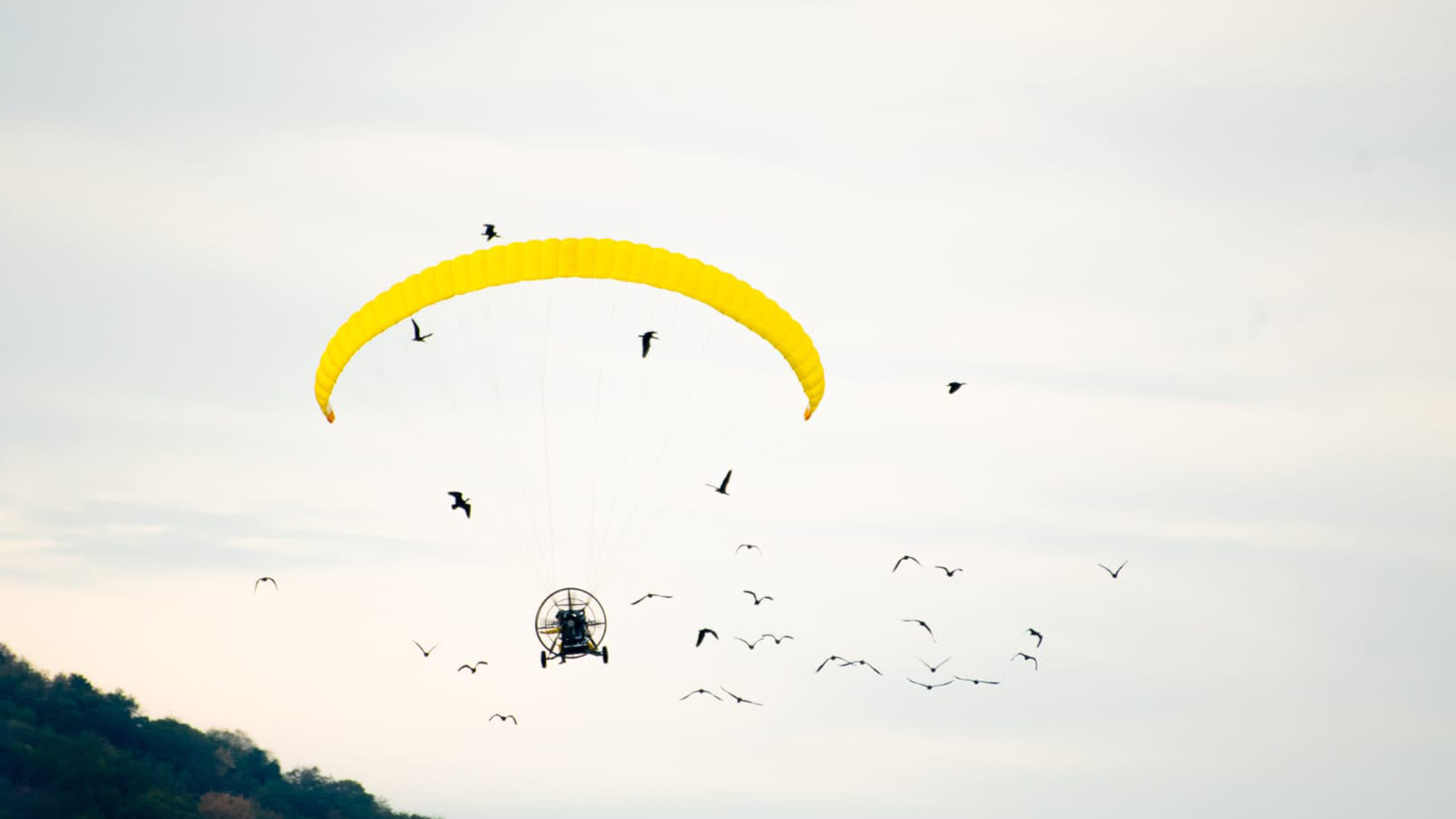
These days, the sky over the Iberian Peninsula offers a sight as unusual as it is extraordinary: a group of 30 hermit ibises (Geronticus the hermit) flies over the territory following an ultralight aircraftOn board are their “adoptive mothers” who guide the flock during a journey that, in the future, they must be able to make autonomously.
International conservation project to recover an extinct species in Europe
This beautiful and unique journey is part of a international project in which both the BIOPARC Foundation and the Valencian park participate to “save”, reintroduce and recover ancient migratory routes of this species, which has maintained its status as extinct in Europe since the 17th century according to the Red List of the International Union for Conservation of Nature (IUCN).
A 2.500-kilometer journey with a stop in the Valencian Community
The journey of approximately 2.500 kilometers connects the two established colonies, one in Central Europe and the second in Cádiz, to which a third one has been added in Girona, with the hope of including one more in the Valencian Community in the futureThe dream that the continent will be of The new home of the hermit ibis It is beginning to become a reality thanks to many years of work and more than a hundred people are involved in this alone. complicated operation, between a pilot, two “adoptive mothers” and research, veterinary and volunteer staff.
BIOPARC Valencia participates for the fourth year in the ultralight guided migration
For the fourth consecutive year, BIOPARC link This entails both the incorporation of the professional team into the ground entourage from France to Cádiz, and serving as the logistical point during the flock's passage through our region, whichOn this occasion, it has the support of the Faculty of Veterinary Medicine of the CEU Cardenal Herrera University.
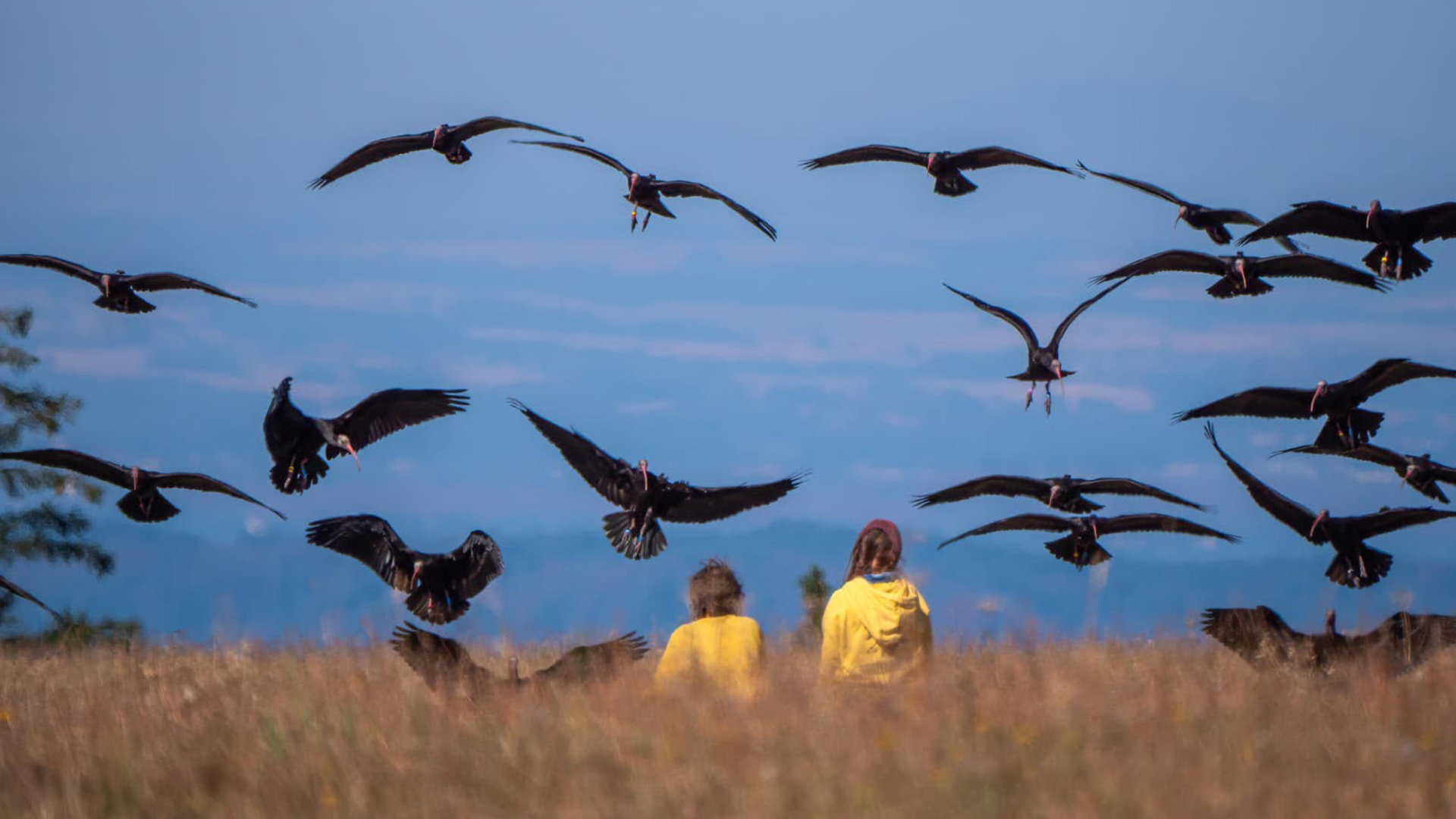
The weather alert forecast forced plans to be brought forward, and the wind caused the group to land in the province of Castellón, continuing by road in adapted vehicles to the Olocau aerodrome (Valencia) where, as planned, the camp has been set up. As a precaution until the storms are no longer a danger, and due to the need for rest, the intention is to resume the flight tomorrow, Friday, and continue the adventure.
The European-funded LIFE project supports this vital conservation effort that combines science, technology, and a passion for nature. Ten institutions from four countries (Austria, Germany, Italy, and Switzerland) are participating, under the direction of the Vienna Zoo and the Waldrappteam. In Spain, it is led by the Jerez Zoobotanical Biodiversity Conservation Centre and BIOPARC Valencia has strengthened its commitment by officially joining the European Association of Zoos and Aquaria (EAZA) conservation program in 2025.
Today It houses four young pairs to strengthen scientifically controlled breedingTo achieve a stable population under human care and thus increase the reintroduction of this species into our territory, which was already its natural habitat centuries ago.

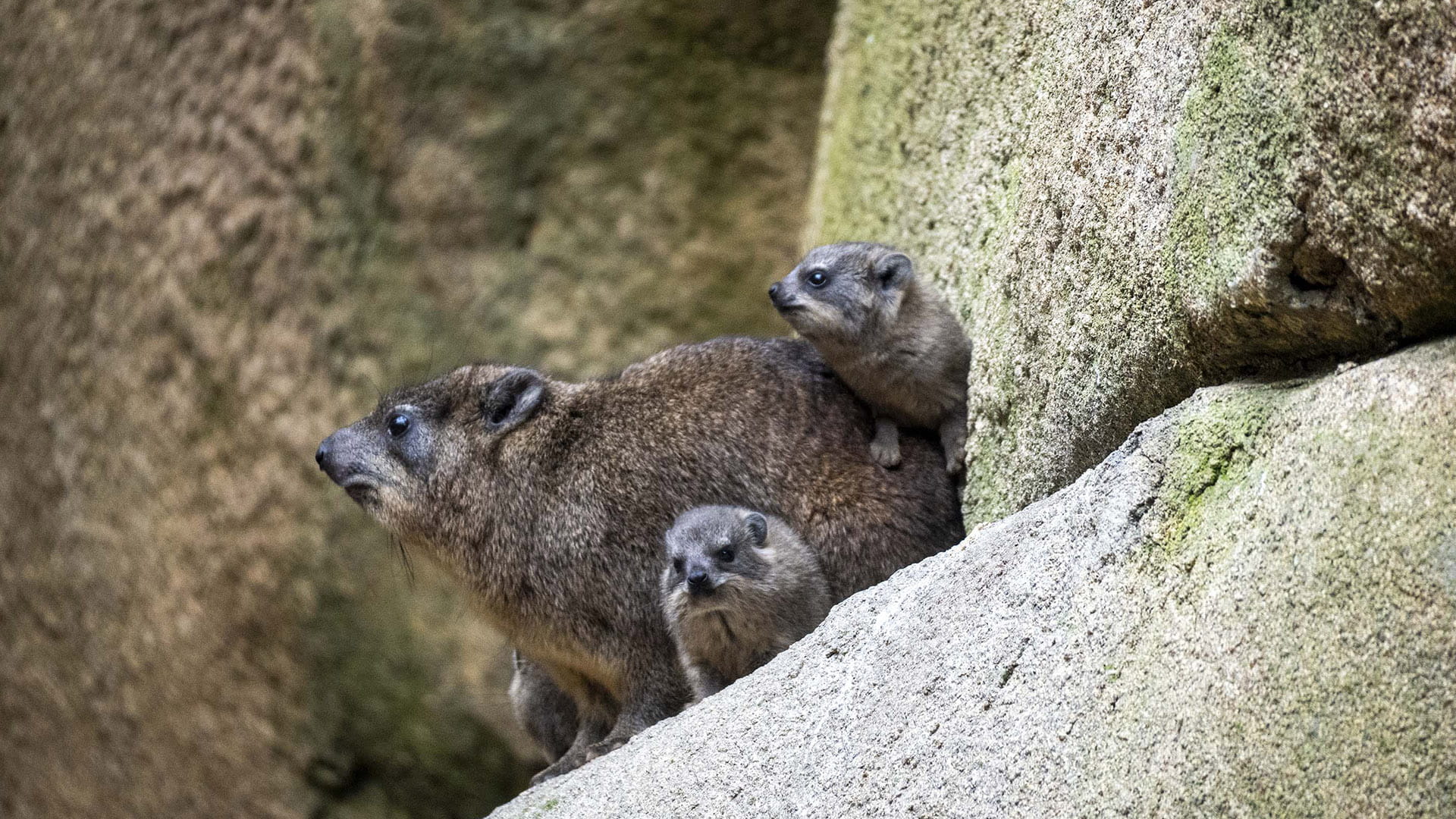
The possibility of seeing this true “rare bird” in the BIOPARC aviary is a further incentive to raise awareness about the protection of biodiversity. They live with Abdim's stork (Ciconia abdimii), the vulture guinea fowl (Acryllium vulturinum), the hammerhead bird (Scopus umbretta) or the superb starling (Lamprotornis superbus), in addition to the only rock hyrax group in our country (Procavia capensisThe sacred ibis can also be seen (Threskiornis aethiopicusThe northern bald ibis lives in the vast savanna, alongside giraffes, antelopes, zebras, and rhinoceroses. It is recognizable by its distinctive appearance, with black plumage and metallic reflections, its long, curved, reddish beak, and the characteristic crest of feathers surrounding its head.