
The Valencian park is home to the only breeding pair in Spain of the international aardvark preservation program
This animal is the only survivor among the tubulidentatewith rabbit ears, a pig's body and elongated snout, a very long and sticky tongue, a huge kangaroo tail, and dinosaur claws to dig with the strength of three people.
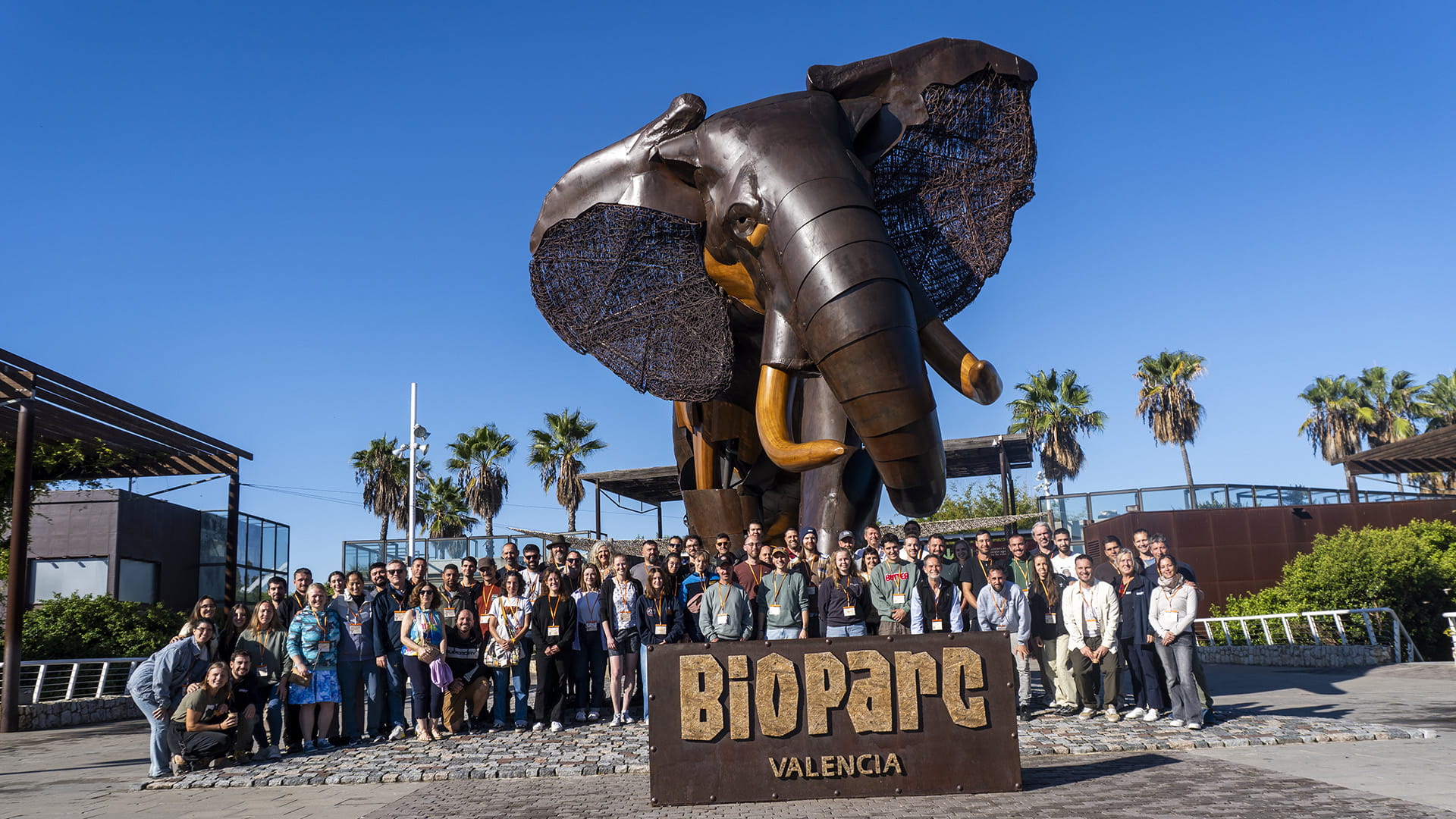
BIOPARC celebrates the 11th birth of one of the strangest animals, the aardvark or anteater, in the month of his 18 º aniversario and until March 1st it is underway double promotion “with a cause” with the day ticket at €23+1 and the B! annual pass at €53+1.
However strange it may seem to us, everything in nature has a reason, and centers like BIOPARC aim to disseminate and promote the conservation of this rich biodiversity.
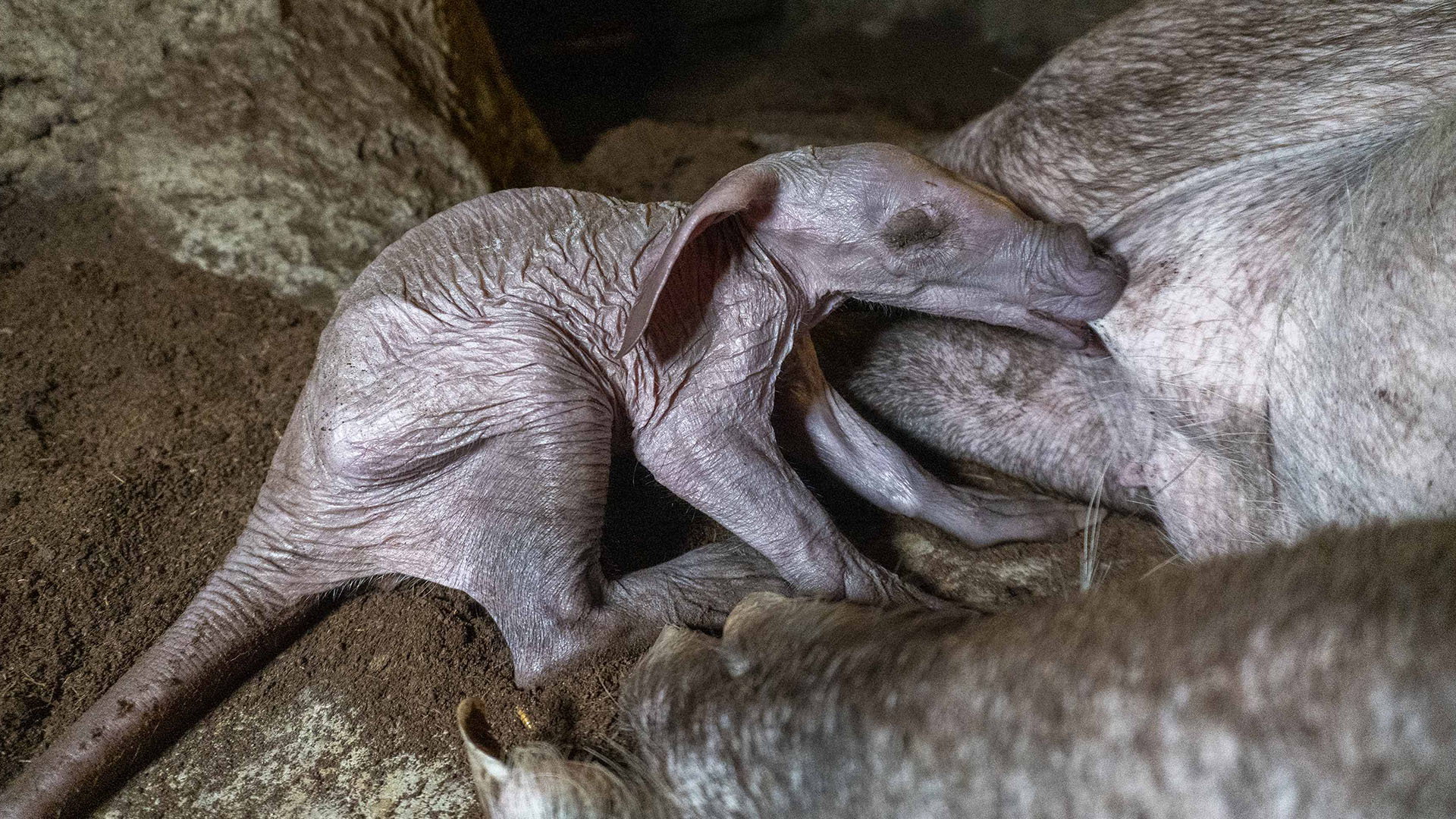
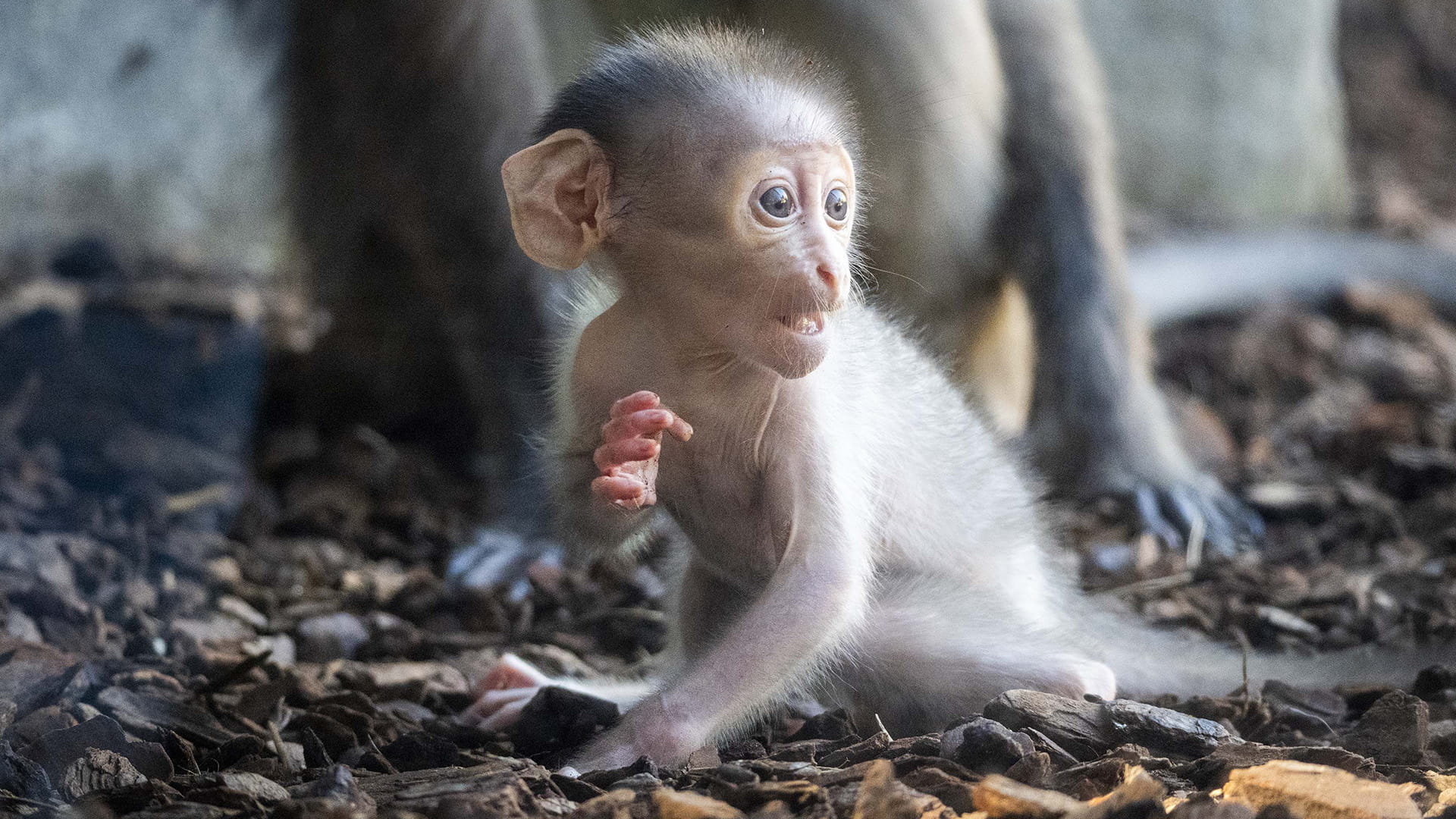
Among the more than 6.000 animals of 150 species, the park works on the preservation of the best known, such as elephants or chimpanzees, which are currently in a special moment with several offspring, but also of other lesser-known species such as the aardvark or anteater (Orycteropus afer)And it is this last animal that brings hope back with a This new birth brings the total to 11 offspring in the 18 years since BIOPARC opened..
Weighing just over 1.6 kg, the aardvark "baby" has begun to nurse and remains with its mother under a animal care team follow-up protocol And, as a precaution, it is not on public display to promote their well-being.
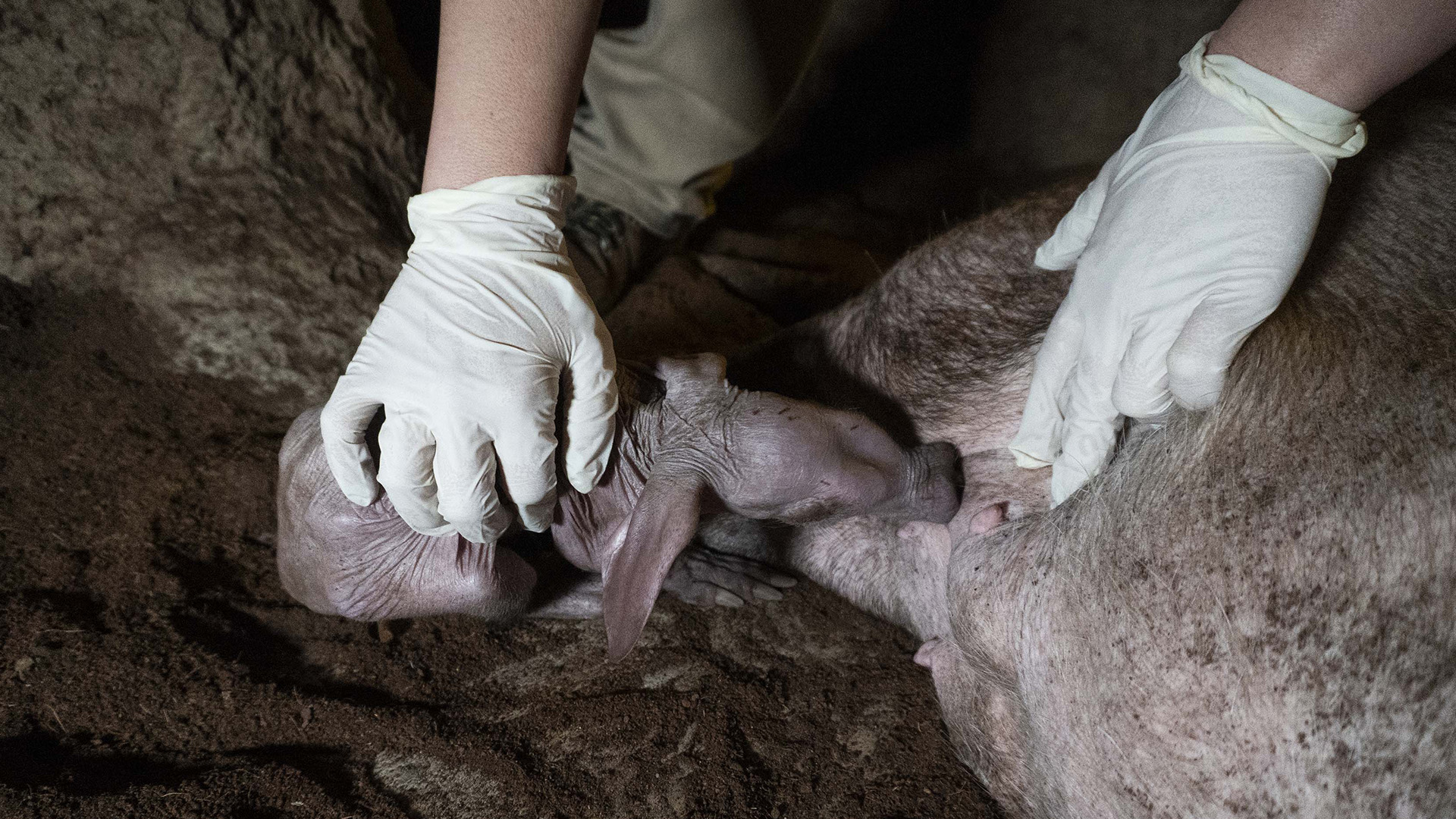
The aardvark appears to be made of pieces, but each one has a purpose: survival through essential adaptation to the environment.
Although the name aardvark offers some clues, further investigation is needed. Its robust body and coloration They resemble a pigas well as his snout with two holes at the end, except it's much longer. ears, similar to those of the CONEJOSThey are enormous, which makes it easier for them to "listen" during their active hours, since they are nocturnal, which has resulted in limited and colorblind vision.
Su insectivorous diet It is nourished by a sticky tongue up to 30 cm long which it uses to capture termites and ants. dental structure They make it a real living fossil, since it is the only species of the order that has survived to this day Tubulidentata.
La thick tail It looks like the kangaroo and disproportionate claws that evoke the Dinosaurs They are so strong that they allow them to destroy termite mounds and to dig with the immense power of three people to obtain their food and build their caves.
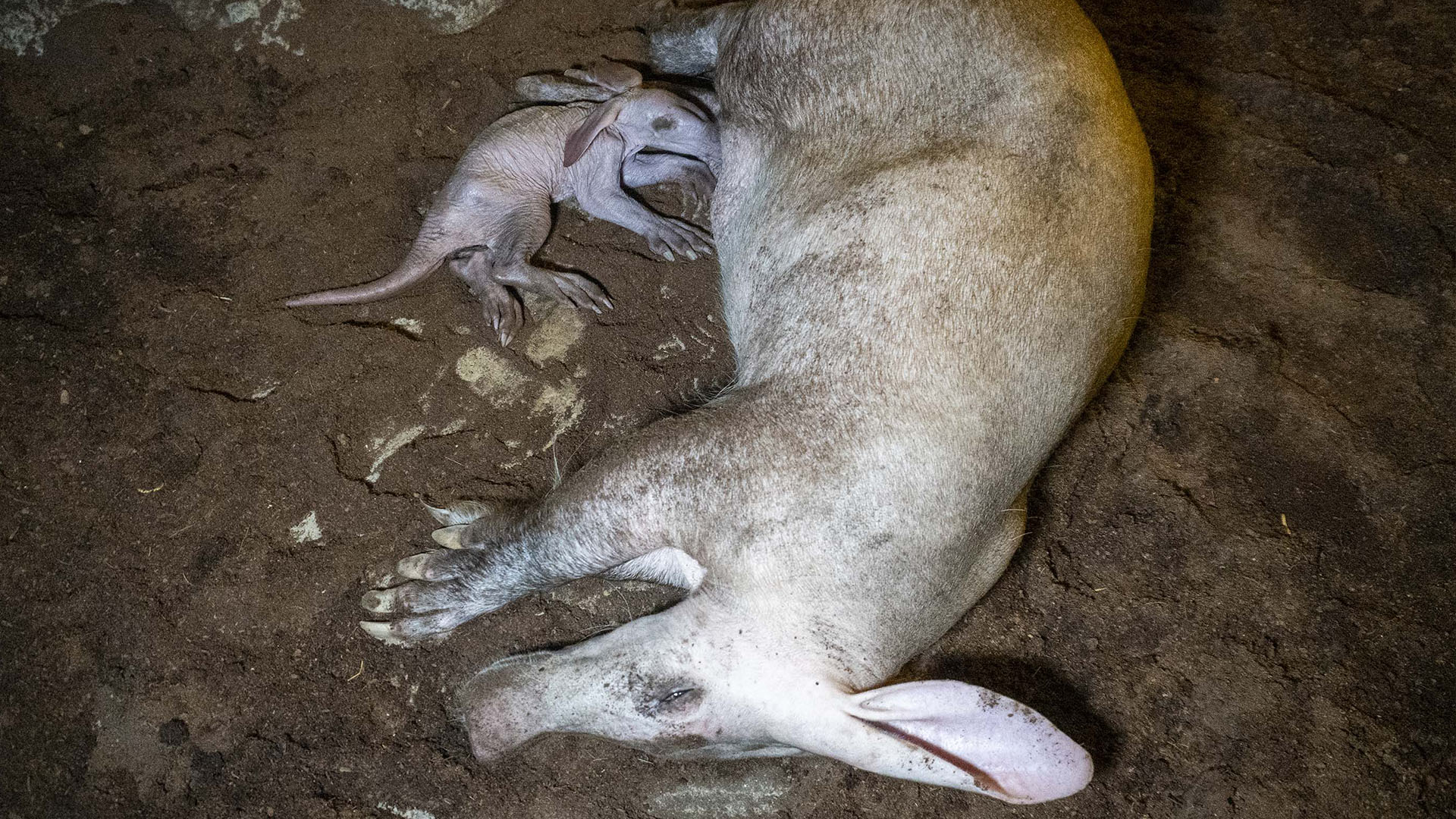
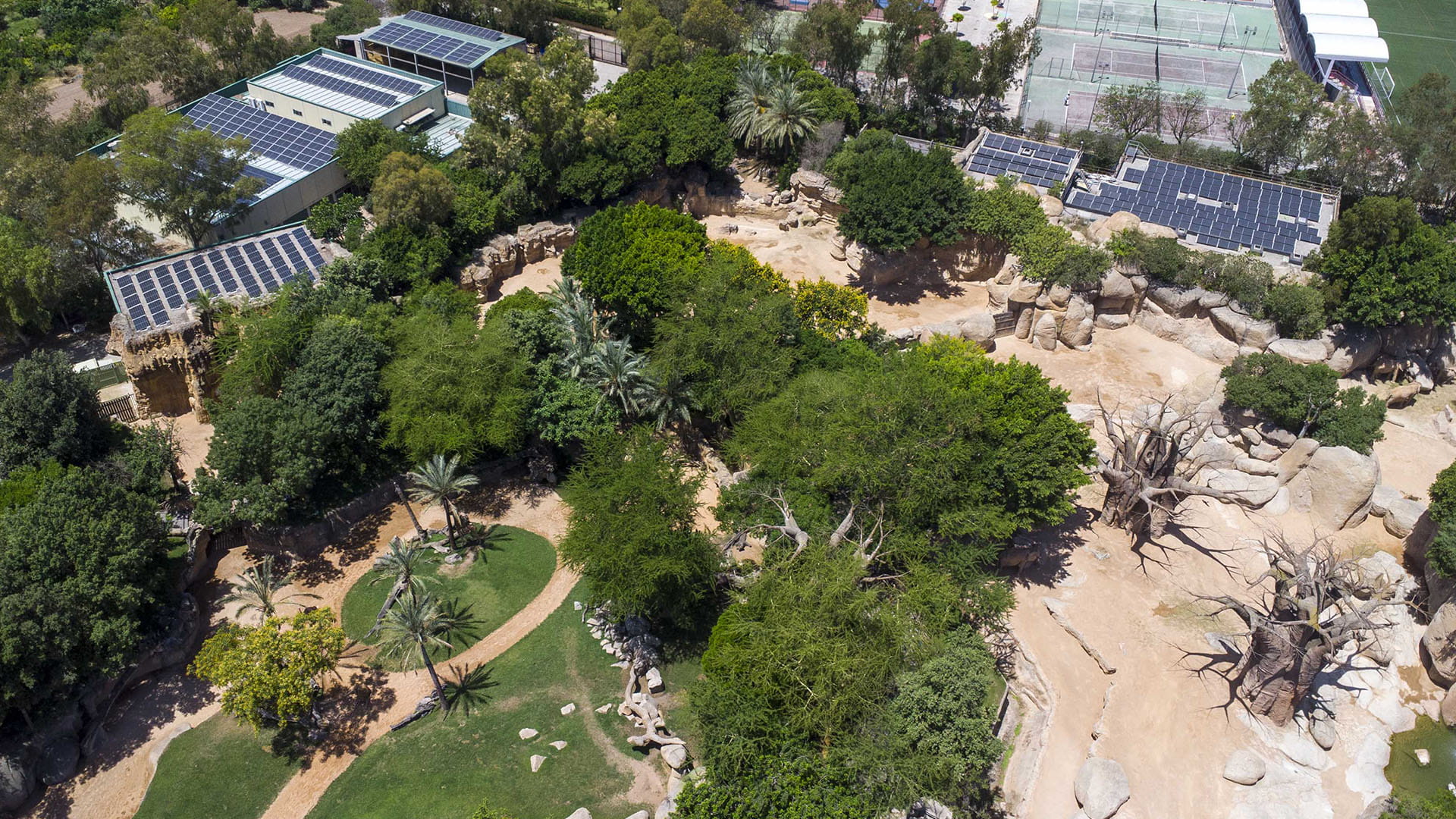
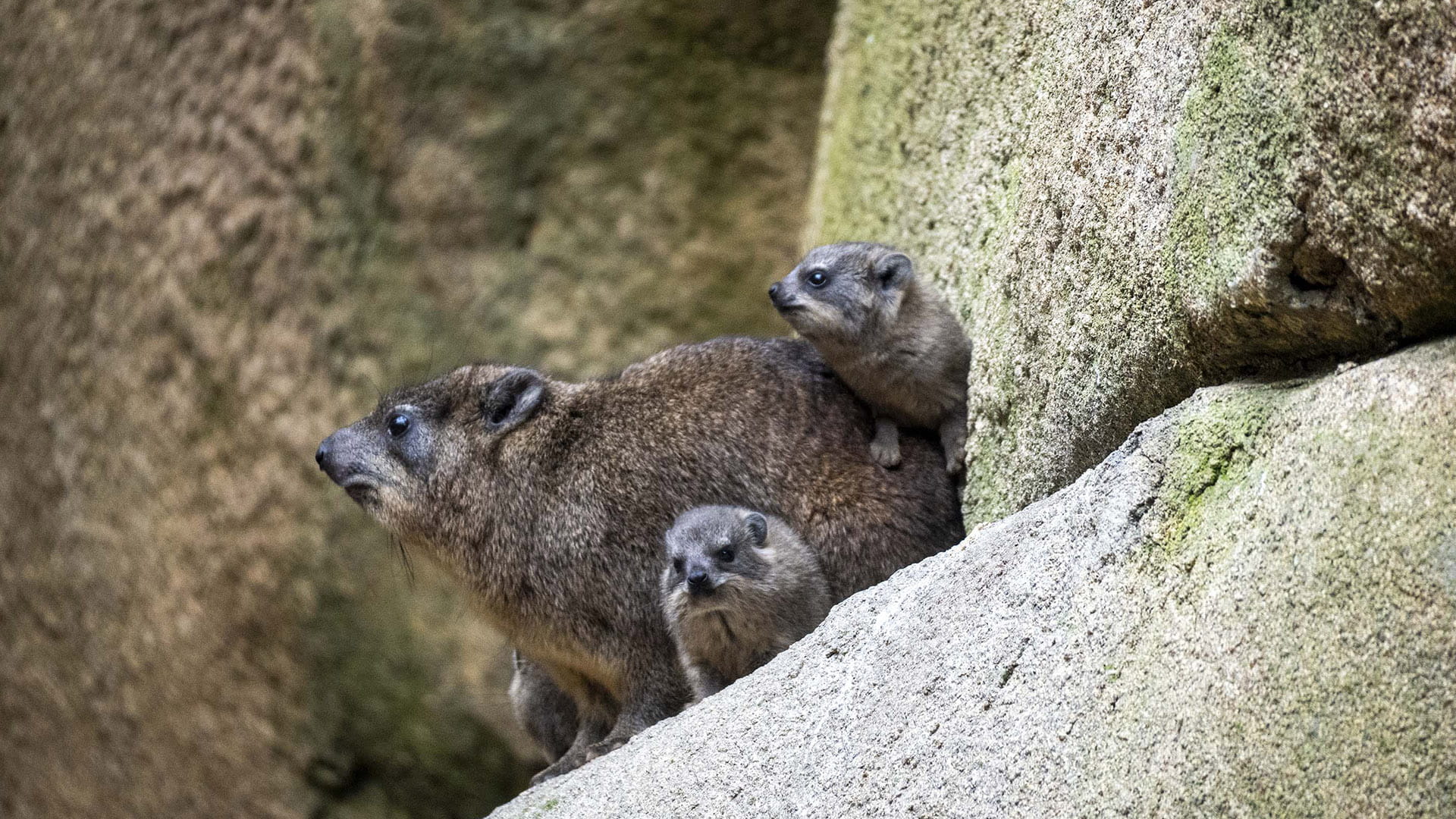
BIOPARC Valencia faithfully recreates this underground habitat where its immense burrowswith numerous tunnels, are also used as refuge for many other species that do not have the burrowing ability of aardvarks, thus benefiting from these “bulldozers” of the savannaIn this way, one can contemplate the mole rat (Heterocephalus glaber), the elephant shrew (Macroscelides proboscideus), the bat-eared fox (Otocyon megalotis) or the largest snake in Africa, the African python (Python sebae) and the smallest carnivore on the same continent, the dwarf mongoose (Helogale parvula undulatus). Of course, observe the male aardvark up close, being the only park in Spain to host a pair included in the international program of scientifically controlled breeding under human care.
With the celebration of 18º Anniversary You can take advantage of it until March 1st. double promotion “with a cause”
With online tickets at €23+€1 (purchase at least one day before the visit) and the B! Annual Pass at €53+€1. Each +1€
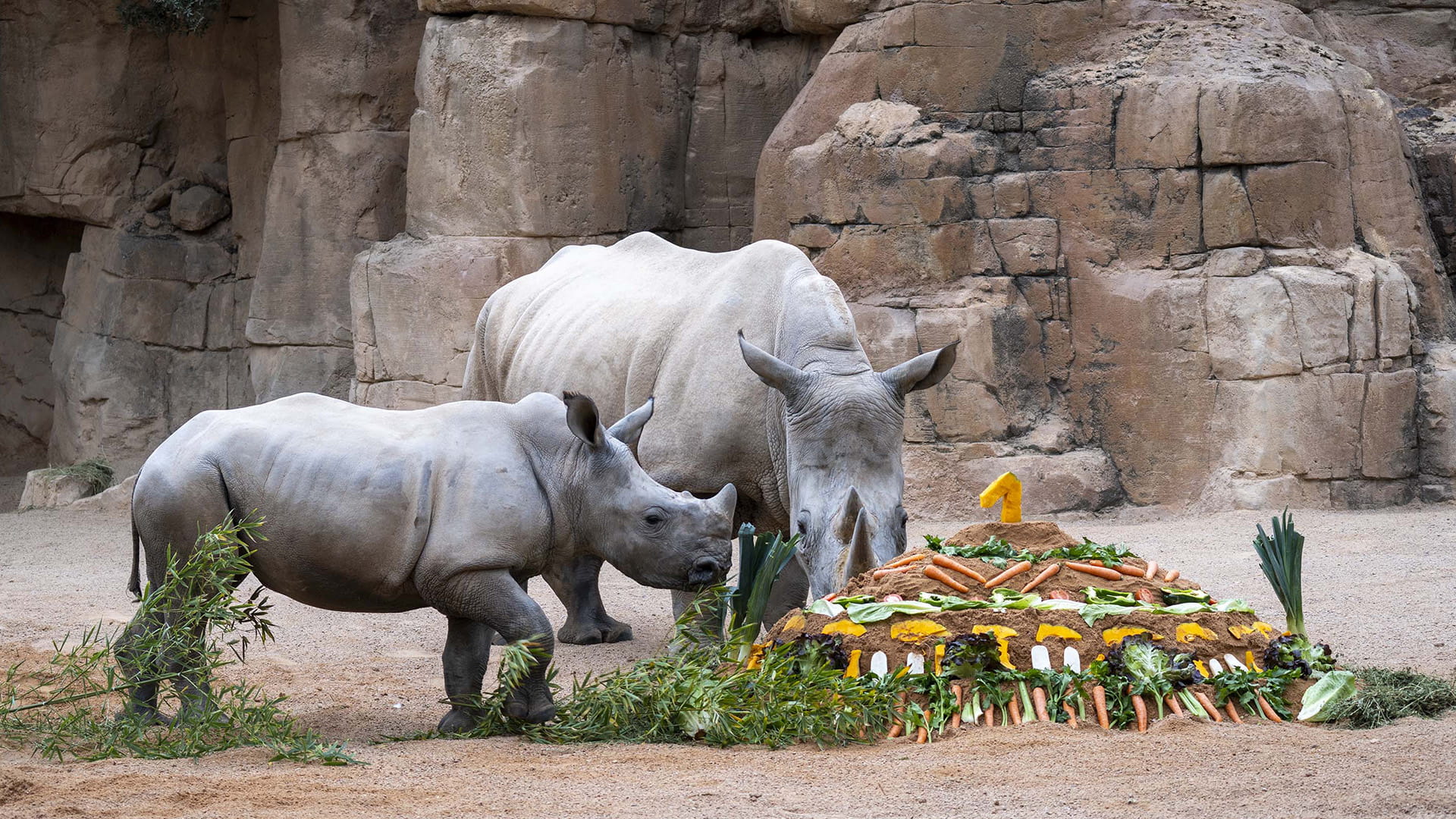
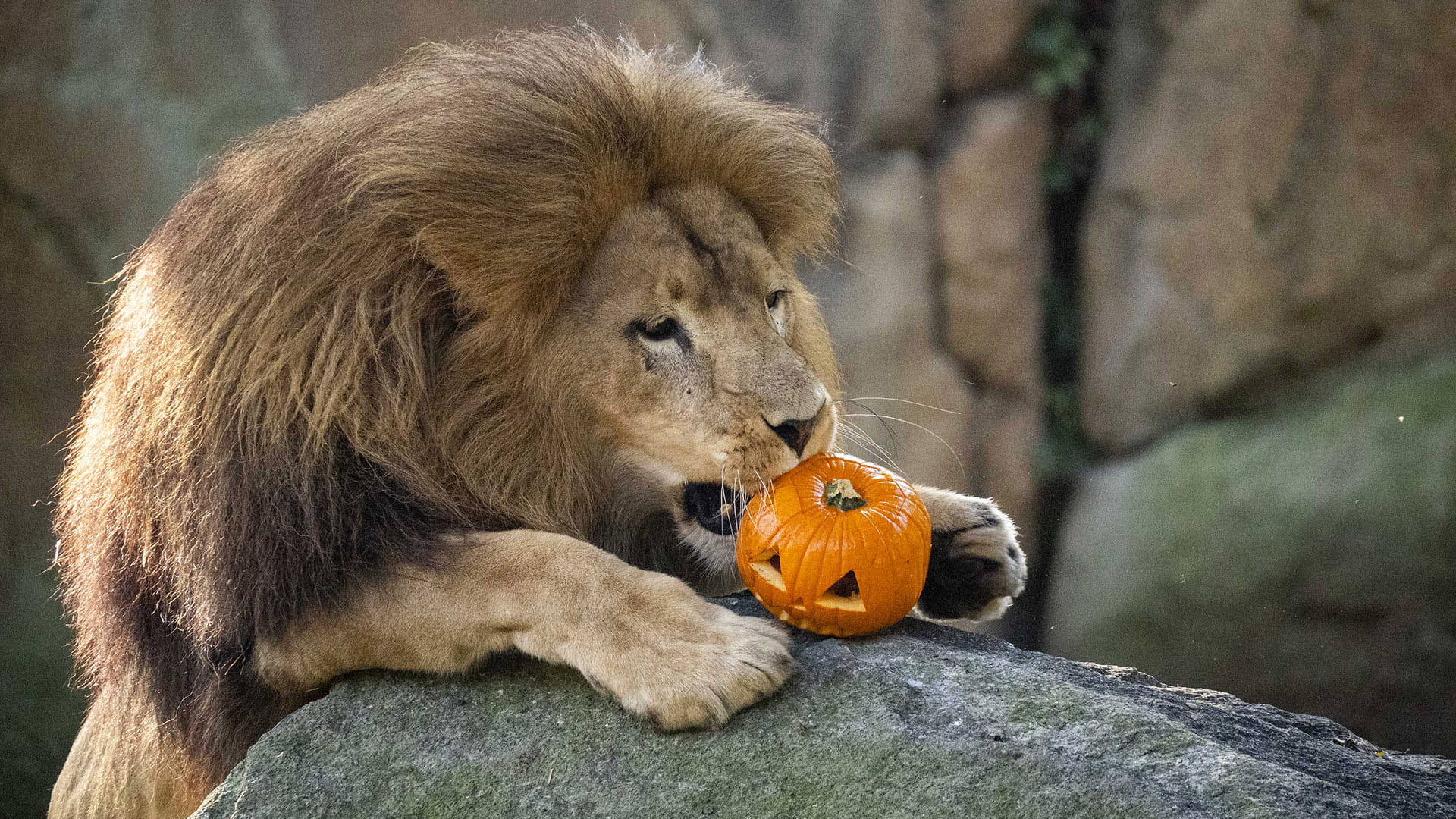
It will be allocated through the BIOPARC Foundation to bat recovery, the most Valencian species. This weekend, 21 and 22 February, are scheduled special activities with children's face painting, treasure hunts with prizes and the traditional cakes, both for the animals, as well as tasting for the people.