
This little-known primate, the drill, can only be seen in three parks in Spain and BIOPARC Valencia is the only one where it can be seen in a multispecies enclosure.
This Easter The Valencian park is full of attractions with new features designed to make the visitor experience optimal, such as the new free service of guided routes and activities throughout the day and extended hours from 10 a.m. to 20 p.m.. But BIOPARC is “leisure with a cause” so the greatest attraction is that it is filled with life with the last births and, most importantly, they are offspring of species included in the sadly famous “red list” of the IUCN (International Union for Conservation of Nature) with a very high risk of extinction.

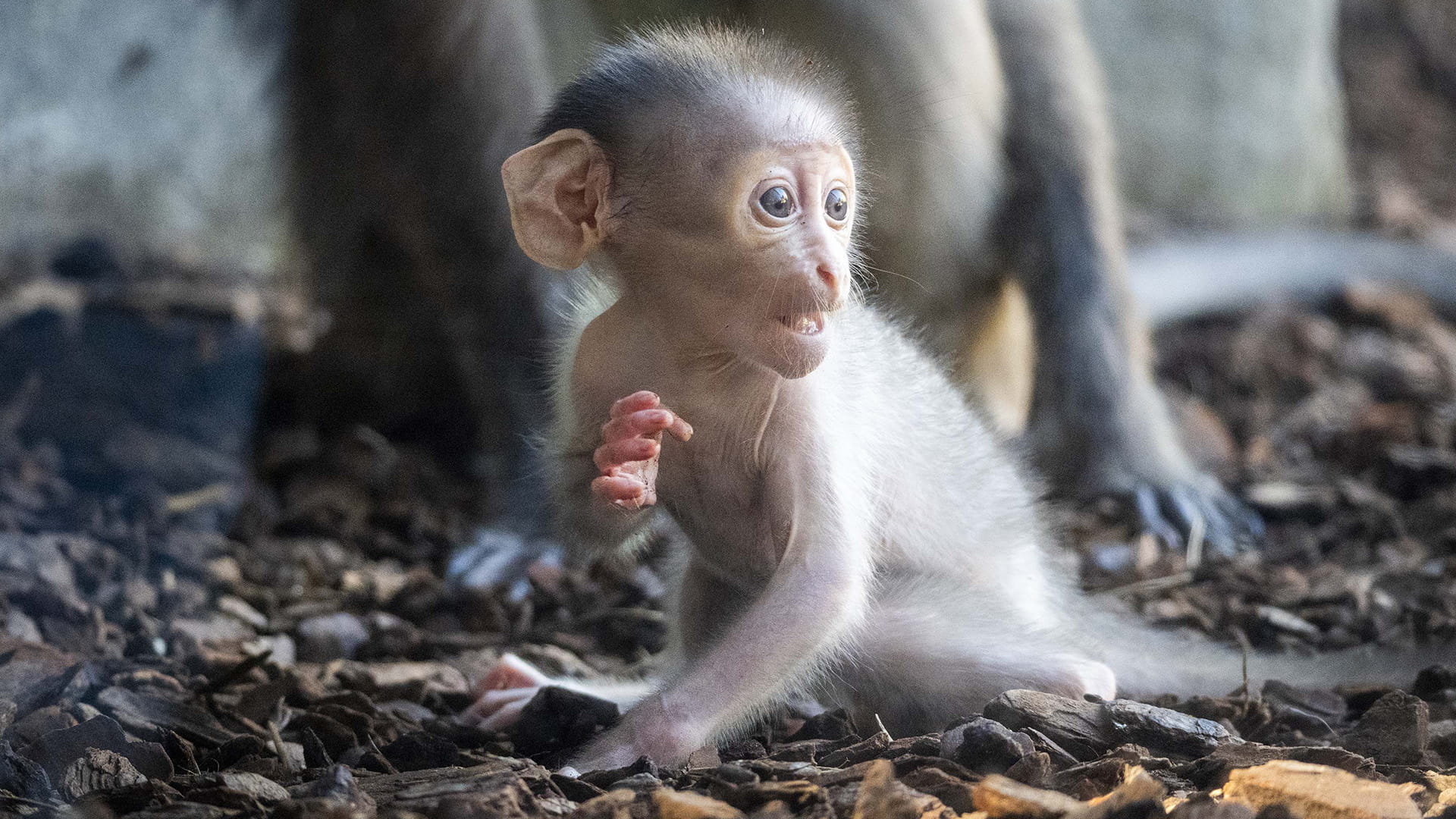
This isBIOPARC's efforts to preservation of the planet's biodiversity This month has brought three great joys to the world of conservation with the births of Pepe, the fourth Valencian gorilla, a Mhorr gazelle, a species extinct in its habitat and, now, a baby drill, a little-known primate that can already be seen clinging tightly to its mother in the area that recreates the riverside forests of equatorial Africa. They are three offspring of great value for their respective species that consolidate BIOPARC as a wildlife reserve.
The drill is included in the IUCN red list, it is an important birth within the European Program for the Preservation of Endangered Species (EEP).
The drills (Mandrillus leucophaeus) are one of the Africa's most endangered primates. This baby, whose sex is still unknown, is the son of the male Rafiki and the female Abuja and was born within the European Conservation Program for Endangered Species (EEP). The Valencian reproductive group is made up of two adult females and one male who live with the children born to each of the females. BIOPARC Valencia is one of the three Spanish sites where we can get to know this species and the only one that is found in a “multispecies” habitat where it lives with sitatungas, pygmy hippos, talapoins and Nile geese.
Medium in size, the drills have an obvious sexual dimorphism, the male being very striking. With an imposing appearance and prominent fangs, its black face that looks like a mask stands out against the grayish-brown fur dyed olive green. It develops a “crown” that resembles a lion and bright purple-blue colors on the buttocks and intense red under the lip and in the genital area. Man is its biggest predator followed by the crowned eagle and the leopard. Drills live west of central Africa and usually live in jungles and forests in groups made up of one male and up to 20 females with their young. They are omnivores and feed mainly on tubers, roots and plant shoots, which they complement with worms, frogs, lizards and small mammals. Their pregnancies last around 180 days and their life expectancy is around 28 years.