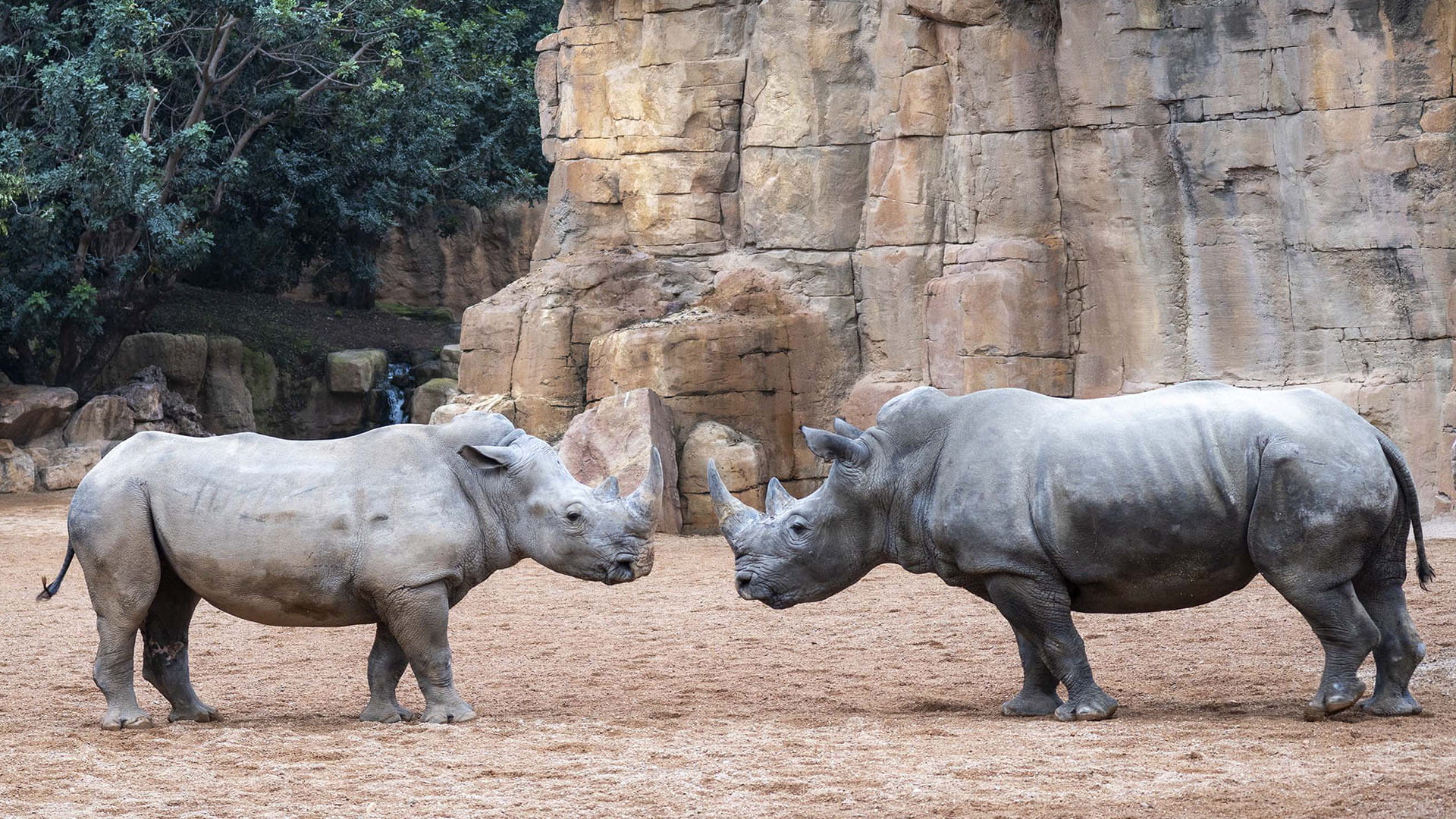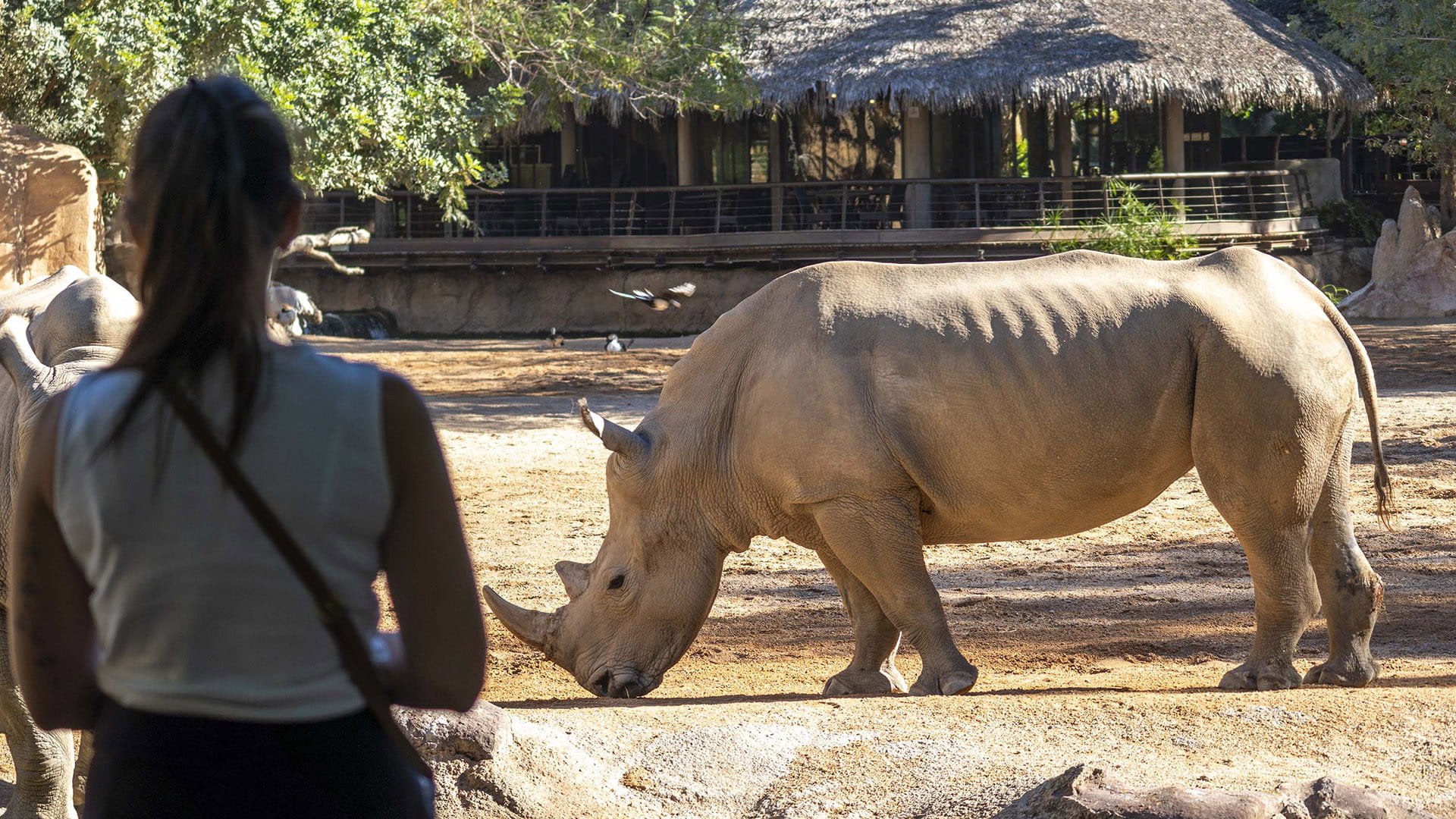

Ami arrived at the Valencian park in 2023 due to the importance of the international conservation program in which BIOPARC participates, given the serious risk of rhinoceros extinction, and quickly integrated into the group. However, she developed significant health problems that progressively worsened, and, given the irreversible deterioration of her health in recent months and after a thorough evaluation, the decision was made to euthanize her to prevent further suffering. Pending the final results of the histopathological study, the data points to a fatal bone marrow disease. The staff is deeply saddened and wishes to remember her excellent temperament and her crucial role in the cohesion and success of the group with the birth of the first rhinoceros.
Responsibility is the main word at BIOPARC. Liability in every sense: with society as outreach and education platform to promote the nature protectionAs an actor in biodiversity conservation, alongside the crucial participation of the BIOPARC Foundation, and with the commitment to animal welfare of an entire professional team dedicated to the care of living beings. In this latter area, experiencing immense joy, but also facing challenges. difficult moments such as illness and, sometimes, the loss of an animalThis is especially heartbreaking for those who share their daily lives with these animals. BIOPARC Valencia wishes to announce the passing of a much-loved animal, Ami the rhinoceros, who was euthanized at the age of seven to prevent further suffering. She will be remembered for her wonderful temperament and the importance of her presence within the group, particularly her role in the successful and hopeful birth of the first Valencian rhinoceros.
BIOPARC Valencia mourns the loss of the rhinoceros Ami
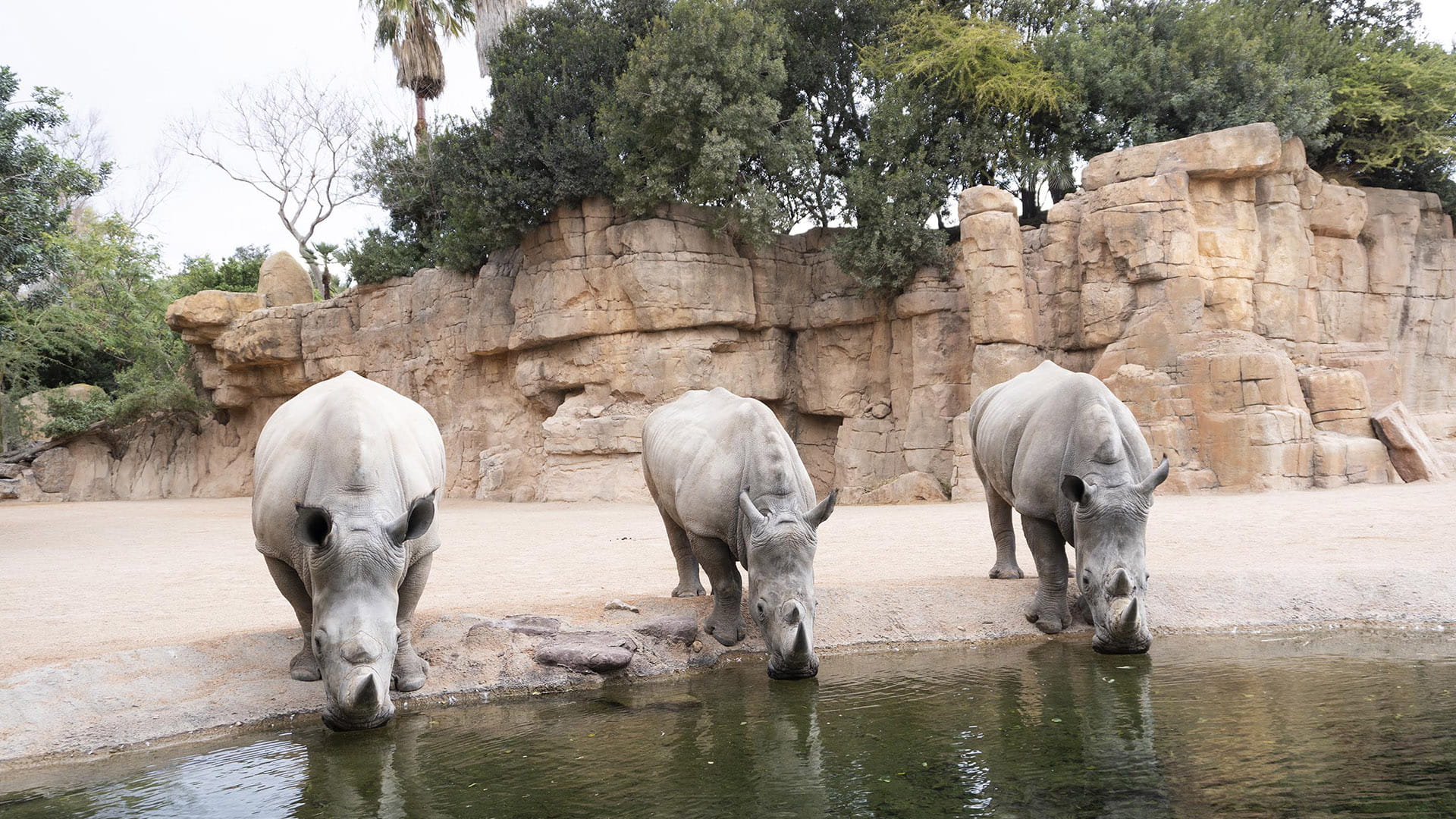
Within the European Programme for the Conservation of the Southern White Rhinoceros (Ceratotherium simum simum) which has as objective to halt extinction of this charismatic species, Ami came to BIOPARC Valencia in 2023 from Kolmården Zoo (Sweden)There, she had suffered from significant skin problems that had slowly resolved before arriving at the Valencian park. The rhinoceros adapted quickly to her new enclosures and immediately integrated into the group of rhinoceroses. She was a sociable and friendly animal, both with the staff and with her fellow rhinos. However, Biology staff noticed periods of apathy and changes in their usual behavior..
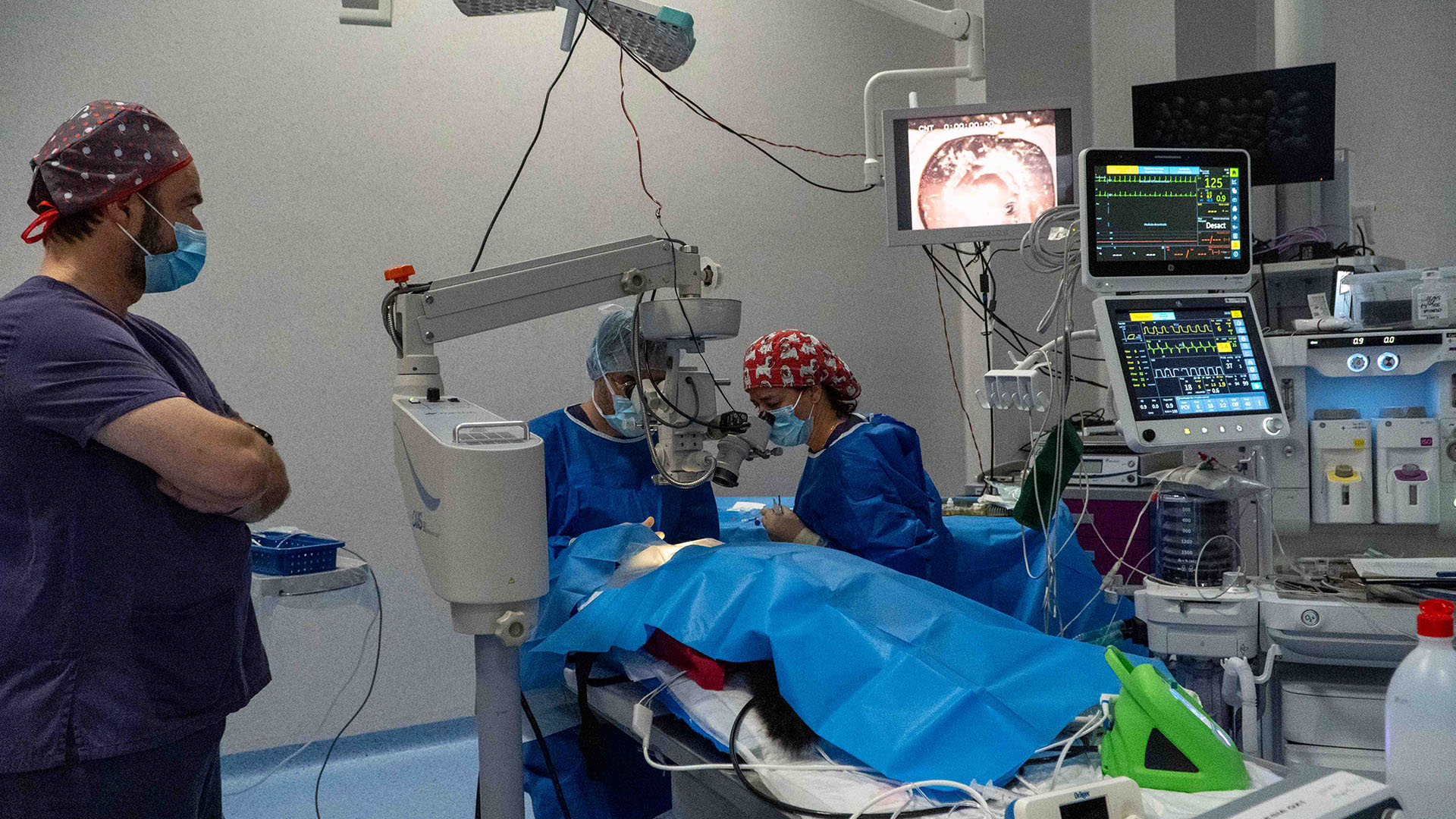
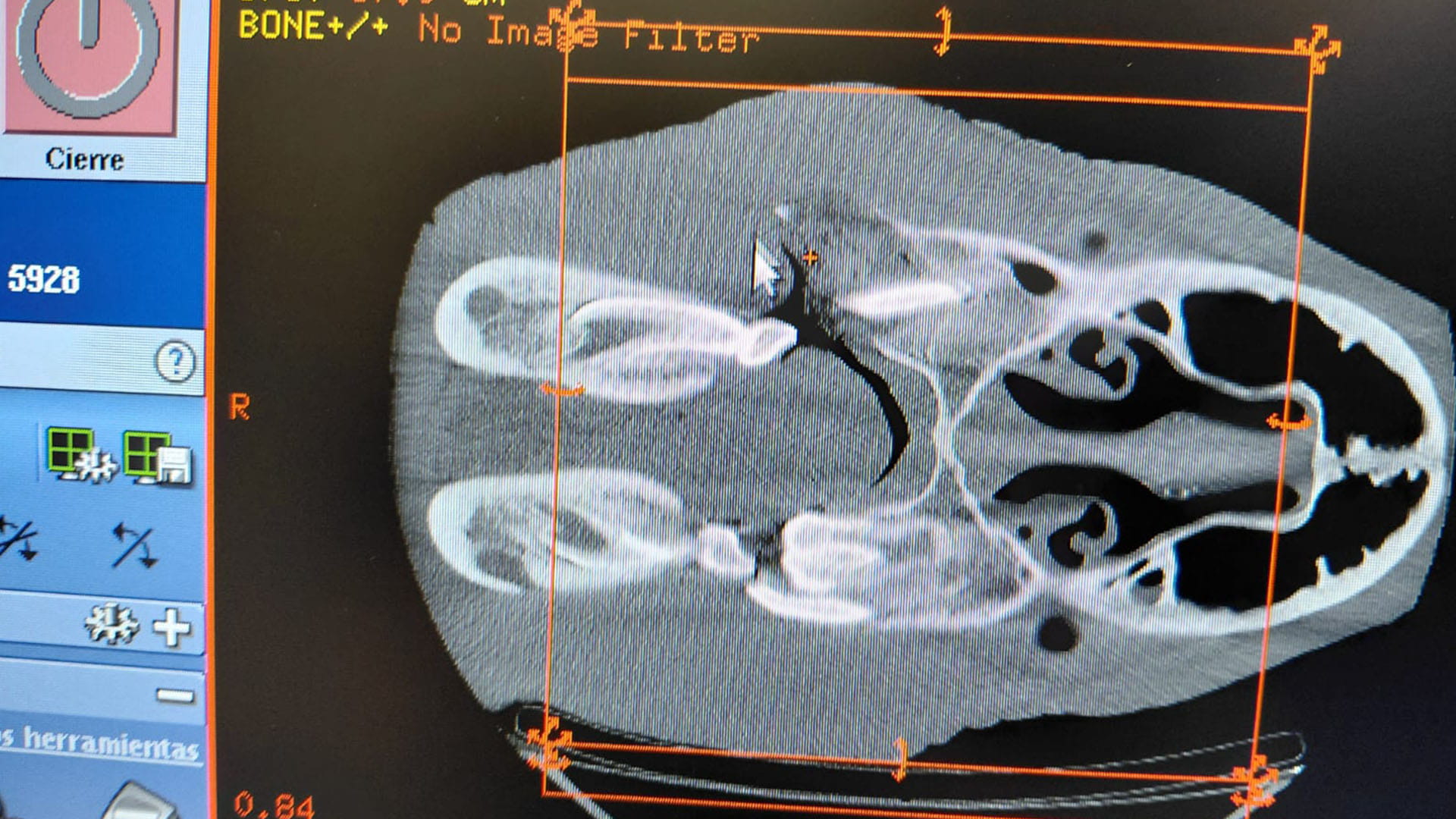
Despite all the veterinary efforts and the various treatmentsThe latest results showed a marked deterioration. During the process, the researchers had the support of equine specialists from the CEU Cardenal Herrera University of Valencia, since rhinoceroses are distantly related to horses, and some of their physiology is very similar to that of equines, meaning they can suffer from similar conditions.
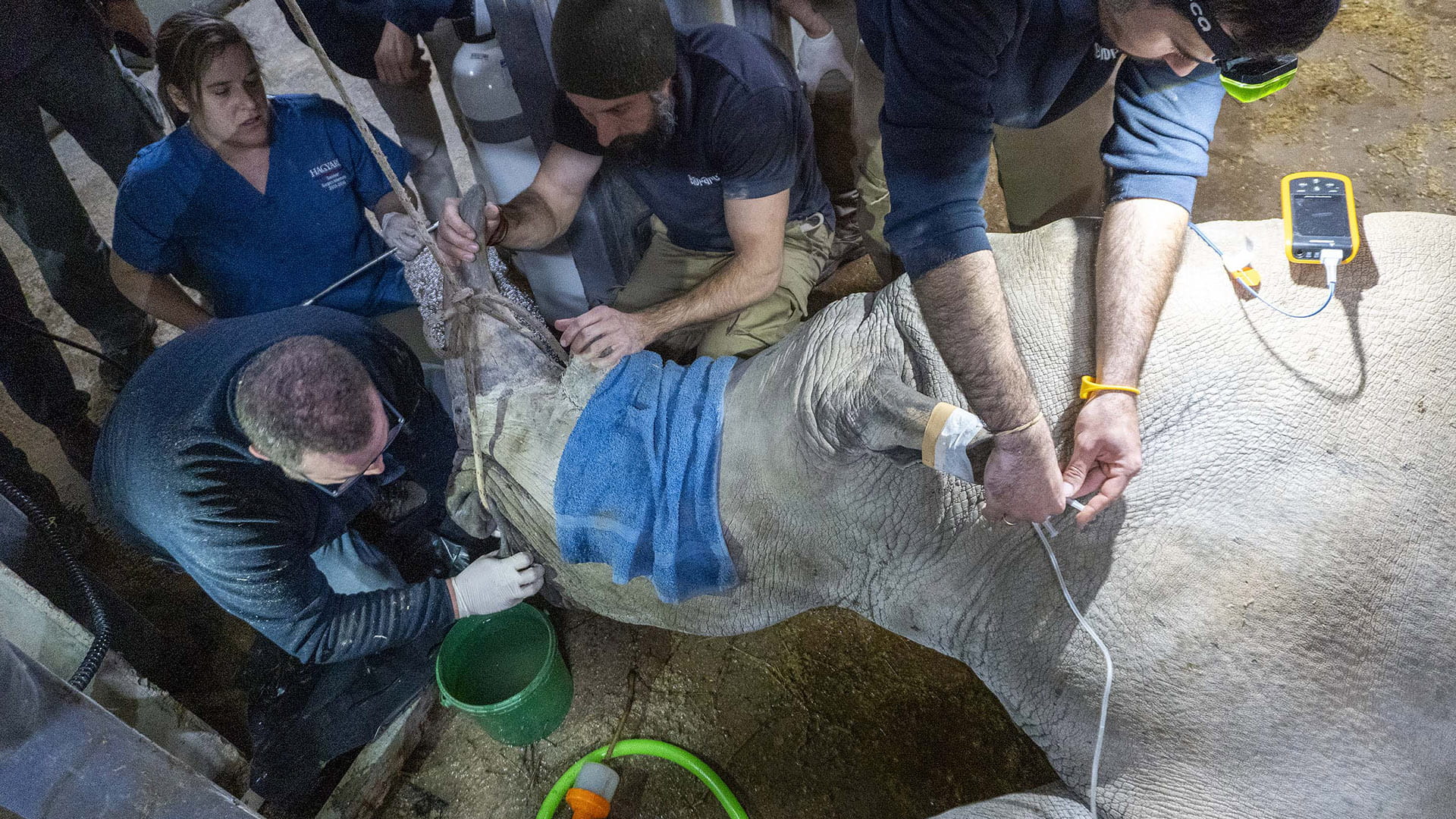
The clinical data The data we have now indicates that their pathologies were possibly related to a fatal underlying bone marrow disease which has been progressing little by little, and which explains the significant alteration in blood values. In fact, It did not produce adequate amounts of red blood cells or plateletswhich reached zero. In the last two months, her health deteriorated rapidly. Considering her medical history, the negative evolution, the judgment of the animal care team, and after sharing the decision with the European Endangered Species Programme (EEP), it was decided not to prolong the situation and to prevent her suffering by performing euthanasia.
A striking case of interest to the scientific community
With the aim of continuing to contribute value from BIOPARC to the scientific community, the necropsy was performed in collaboration with the pathology unit of the CEU Cardenal Herrera University. From a scientific point of view, it is a very striking and rare case, and we await the remaining pathology results to determine the cause of the disease. The findings of the study will form part of the research projects, both from the park and from the World Association of Zoos and Aquariums (WAZA) of which BIOPARC Valencia is a member, helping other animals in the future thanks to clinical information.
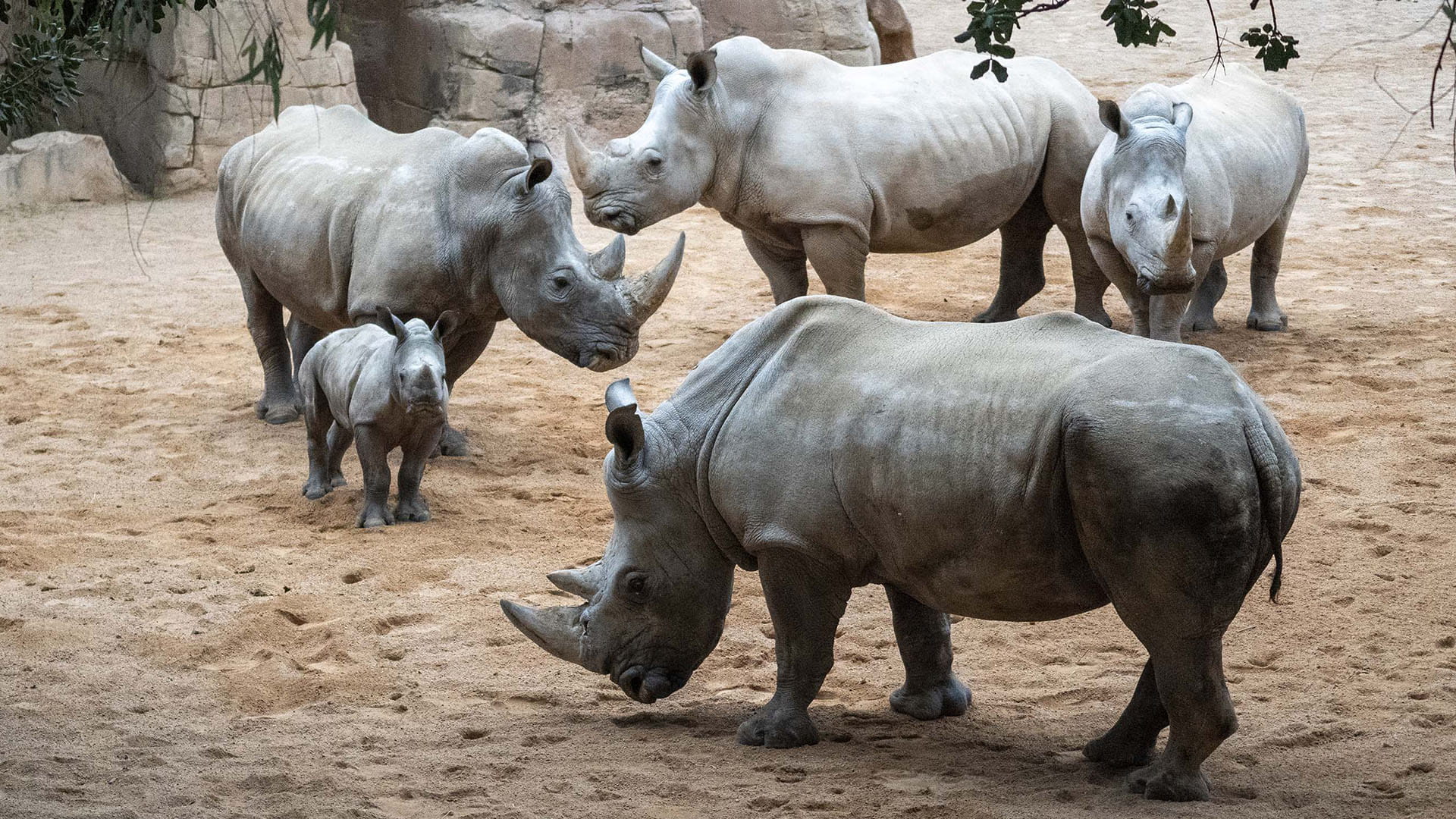
Ami has received the best care as part of the rhino group with the male Martin, and the females Nombula and Kwanza.the little one Cairo, the first offspring born in November 2025He also enjoyed the unique multi-species enclosure that recreates the savanna and which he shared with Hartmann's zebras (Equus zebra ssp. Hartmannae) and different birds such as the marabou stork (Leptoptiles crumeniferus), pelicans (Pelecanus onocrotalus), sacred ibis (Threskiornis aethiopicus) and various ducks (Anatidae).
BIOPARC Valencia and the in situ and ex situ conservation of the white rhinoceros
Under threat of poaching for its coveted hornThe rhinoceros needs a collective commitment for its preservation. Included in the Red List of the International Union for Conservation of Nature (IUCN)This entity urges that populations both within and outside their natural distribution area (referred to as in situ and ex situ respectively) be considered as a single global population, in accordance with its strategic plan “One Plan Approach”.
In order to ensure the survival of the species, alongside direct action in wild habitats, the scientifically controlled breeding In parks, it can be vital for reintroduction in the event of a disaster in their places of origin. BIOPARC is highly involved in both areas: in the park to jointly achieve a genetically viable “reserve” population; and with the BIOPARC Foundation in this case cooperating in the Big Life Foundation project in the ecosystem of the Greater Amboseli, between Kenya and Tanzania.
Despite the pain of this sad loss, the only consolation is having done everything humanly possible for Ami and continuing, with even more strength, to protect nature. Rest in peace.